Parkdale Tenants Initiate Rent Strike Over Proposed 5% Increase
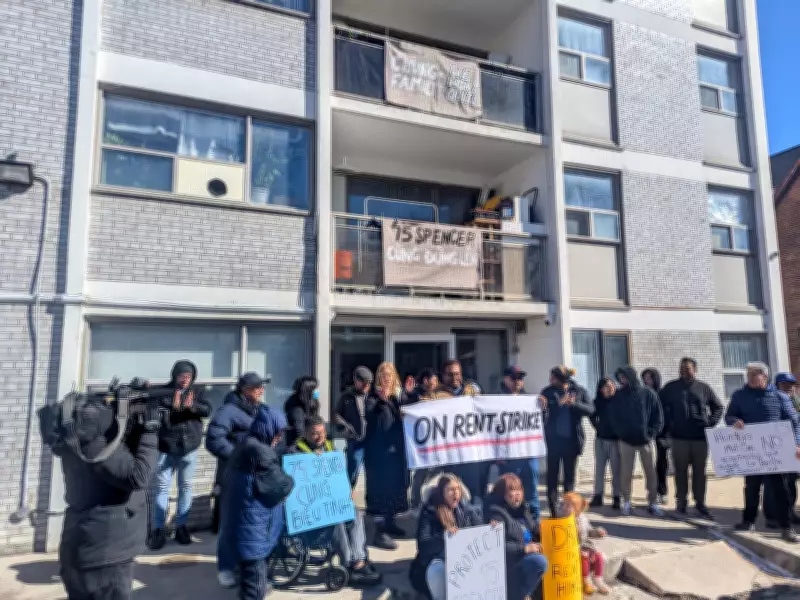
Tenants residing in a Parkdale apartment building have officially launched a rent strike today, in a bold protest against their landlord's application to increase rent by more than 5 percent. The action underscores growing tensions in Toronto's housing market, where affordability remains a critical concern for many residents.
Tenants Vow to 'Fight Until the End'
The strike was announced with the rallying cry, 'We fight until the end,' reflecting the determination of the tenants to resist what they perceive as an unsustainable financial burden. This move comes as the landlord seeks approval for a significant rent hike, which tenants argue could displace long-term residents and exacerbate the housing crisis in the neighborhood.
Parkdale, known for its diverse community and historical significance, has faced mounting pressure from rising living costs. The rent strike represents a collective effort by tenants to assert their rights and demand fair treatment from property owners. Organizers of the strike emphasize that this action is a last resort after attempts at negotiation failed to yield a satisfactory resolution.

Background and Implications
The landlord's application for a rent increase above 5 percent is subject to regulatory review, but tenants are preemptively taking a stand to highlight the potential impact on their livelihoods. Rent strikes, while uncommon, have been used historically as a tool for tenant advocacy in response to unjust practices or excessive hikes.
This protest aligns with broader trends in urban centers across Canada, where housing affordability has become a pivotal issue. In Toronto, specifically, debates over rent control and tenant protections have intensified, with advocacy groups calling for stronger measures to prevent displacement and ensure stable housing.
The tenants involved in the strike are mobilizing community support and seeking legal advice to bolster their case. They plan to continue the strike until the landlord withdraws the application or agrees to a more reasonable increase. This action may set a precedent for other tenant groups facing similar challenges in the city.
Looking Ahead
As the rent strike unfolds, it will likely draw attention from local policymakers and housing activists. The outcome could influence future landlord-tenant dynamics in Parkdale and beyond, potentially prompting reforms in how rent increases are regulated and enforced.
For now, the tenants remain steadfast in their commitment, hoping that their collective action will lead to a fair resolution and preserve the affordability of their homes. The situation highlights the ongoing struggle for housing justice in an era of escalating costs and economic uncertainty.