U.S. and Israel Launch Coordinated Military Strikes on Iran Amid Trump's Declaration of Major Combat
In a significant escalation of international tensions, the United States and Israel have executed coordinated military strikes against targets in Iran. The operation commenced early on February 28, 2026, with former President Donald Trump publicly announcing the initiation of major combat operations. This development marks a critical turning point in the geopolitical landscape, raising concerns about broader regional conflict.
Immediate Impact and Eyewitness Accounts
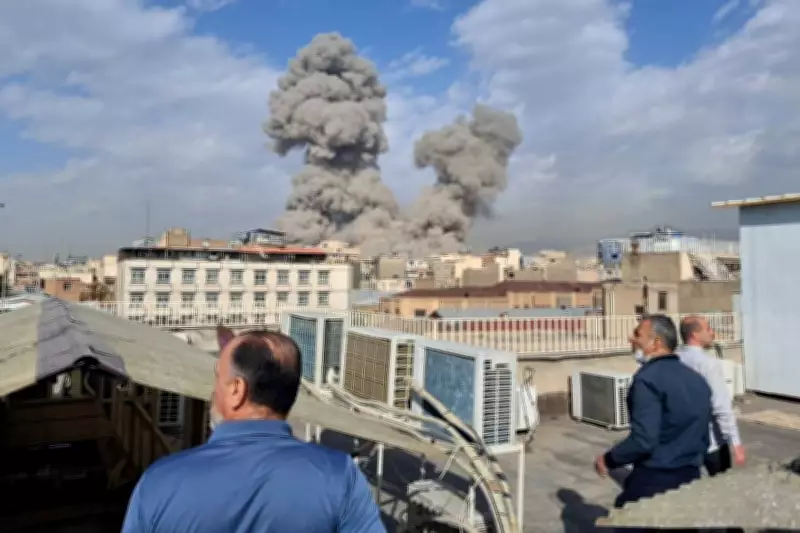
Reports from Tehran indicate visible explosions and rising smoke across the skyline, as captured in Associated Press photographs. Local residents observed the aftermath, with emergency services responding to the affected areas. The strikes targeted key Iranian facilities, though specific details regarding the extent of damage or casualties remain under assessment by military officials.
Live updates from the scene confirm that the attacks were pre-planned and involved advanced military assets from both nations. Analysts suggest this action could be a response to ongoing provocations or a strategic move to curb Iran's regional influence. The timing, coinciding with Trump's announcement, underscores the political dimensions of the conflict.

Political and Strategic Context
Former President Trump's statement declaring the start of major combat operations has drawn international attention, with allies and adversaries alike monitoring the situation closely. The U.S. and Israel have historically maintained a strong defense partnership, but this direct military engagement with Iran represents a notable escalation. Experts warn of potential retaliatory measures from Iran, which could further destabilize the Middle East.
In parallel, global leaders are urging restraint and diplomatic solutions to prevent a full-scale war. The United Nations has called for an emergency session to address the crisis, emphasizing the need for de-escalation. Meanwhile, markets are reacting to the news, with oil prices experiencing volatility due to concerns over supply disruptions from the region.
Broader Implications and Future Outlook
The military strikes have immediate and long-term implications for international security and diplomacy. Key considerations include:
- Regional Stability: The conflict could spill over into neighboring countries, affecting global energy supplies and economic stability.
- Alliance Dynamics: The coordination between the U.S. and Israel may influence other nations' foreign policies and military alliances.
- Humanitarian Concerns: Civilian populations in Iran and surrounding areas face heightened risks, necessitating humanitarian aid and protection efforts.
As the situation evolves, ongoing updates will provide further clarity on the operational details and diplomatic responses. The world watches closely, with hopes for a swift resolution to avoid prolonged hostilities.