A United Nations report released in early January 2026 has leveled a severe accusation against Israel, charging the nation with imposing a system of "apartheid" in the occupied West Bank. This stark assessment adds a new layer of international legal and political pressure on Israel as it continues its military campaign against Hamas in Gaza.
Core Allegations of the UN Report
The report, published by a UN human rights body, contends that Israeli policies and practices in the West Bank are designed to maintain systematic domination by Jewish Israelis over Palestinians. It argues that this is enforced through a combination of discriminatory laws, severe restrictions on movement, and disparate allocation of resources. The use of the term "apartheid," historically associated with South Africa's former racist regime, is particularly incendiary and is certain to provoke strong diplomatic reactions.
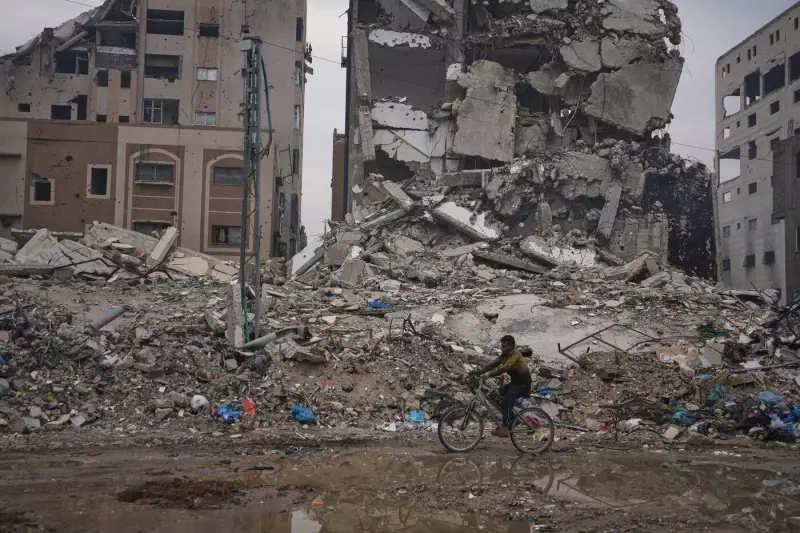
The findings come amidst a devastating backdrop of conflict. The report was published on January 7, 2026, just days after Associated Press imagery from January 4, 2026 depicted the extensive ruin in Gaza City, with a Palestinian man navigating a bicycle past the skeletons of destroyed buildings. This visual evidence underscores the prolonged and intense nature of the hostilities that have gripped the region.

International Context and Reactions
This accusation from a major UN body significantly intensifies the global discourse surrounding Israel's actions. It moves beyond criticism of specific military operations to a condemnation of its overarching governance in territories captured in the 1967 war. The report is expected to fuel further debate in international forums, including the UN Security Council and the International Criminal Court, regarding accountability and potential sanctions.
Israel has consistently rejected similar allegations in the past, arguing that its policies in the West Bank are matters of legitimate security necessity in the face of terrorism. The Israeli government is likely to dismiss this latest report as biased and politically motivated, part of what it terms a longstanding campaign to delegitimize the Jewish state.
Broader Implications for the Conflict
The "apartheid" label, if gaining wider diplomatic acceptance, could have profound consequences. It may influence foreign policy decisions of allied nations, impact international investment and trade, and bolster the Boycott, Divestment, and Sanctions (BDS) movement. For Palestinians, the report provides a powerful framing of their struggle as one against institutionalized racial discrimination, not merely a territorial dispute.
However, the immediate practical impact on the ground in Gaza and the West Bank remains uncertain. The military dynamics of the Israel-Hamas war, now extending into 2026, continue to dictate the daily reality of violence, displacement, and humanitarian crisis for millions of civilians.
This UN report ensures that the legal and moral dimensions of the conflict will remain at the forefront of international attention, applying sustained pressure on Israel to justify its long-term control over the Palestinian population in the occupied territories.