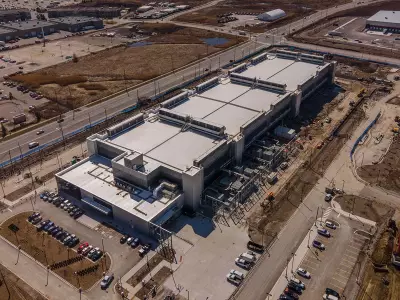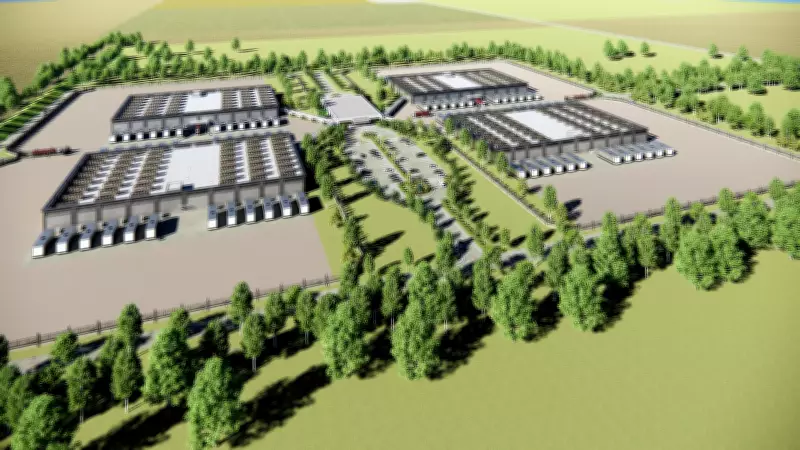
Newly released documents have unveiled that Bell Canada's agreement with the Rural Municipality (RM) of Sherwood for the construction of an artificial intelligence data centre near Regina includes detailed provisions covering water, noise, and light management. This development underscores the growing emphasis on environmental and community considerations in large-scale technology infrastructure projects.
Key Environmental Safeguards in the Agreement
The agreement, dated for implementation in the coming years, specifies that Bell Canada must adhere to strict guidelines regarding water consumption, noise levels, and light emissions from the facility. These provisions are designed to mitigate the potential impact on the local environment and residents in the area surrounding Regina.
Water Usage and Conservation Measures
One of the critical components of the deal focuses on water resources. The data centre, which will support AI operations, is required to implement advanced water conservation technologies and monitoring systems. This includes limits on groundwater extraction and mandates for efficient cooling systems to reduce overall water demand, addressing concerns about strain on local water supplies in the region.

Noise and Light Pollution Controls
To minimize disruption to the community, the agreement sets forth noise reduction standards for equipment and operations at the site. Additionally, light pollution controls are in place, requiring Bell Canada to use shielded lighting and adhere to specific brightness levels to preserve the nighttime environment and reduce glare for nearby residents.
Context and Implications for Tech Development
This agreement reflects a broader trend in the technology sector, where companies are increasingly incorporating environmental and social governance factors into their expansion plans. As data centres, particularly those for AI, become more prevalent, such provisions are crucial for balancing technological advancement with sustainable practices.
The RM of Sherwood's involvement highlights the role of local governments in negotiating terms that protect community interests while fostering economic growth. The data centre is expected to bring jobs and investment to the area, but the inclusion of these safeguards ensures that development does not come at the expense of environmental health or quality of life.
Future Monitoring and Compliance
According to the documents, Bell Canada will be subject to regular audits and reporting requirements to ensure compliance with the water, noise, and light provisions. This ongoing oversight aims to provide transparency and accountability, allowing for adjustments if issues arise during the construction and operational phases of the project.
In summary, the Bell Canada data centre agreement with the RM of Sherwood sets a precedent for how tech infrastructure projects can integrate environmental protections from the outset. By addressing key concerns like water usage, noise, and light pollution, this deal demonstrates a commitment to responsible development in the rapidly evolving field of artificial intelligence and data management.