Trump's Threat to Destroy Iran's Power Infrastructure Could Violate International Law
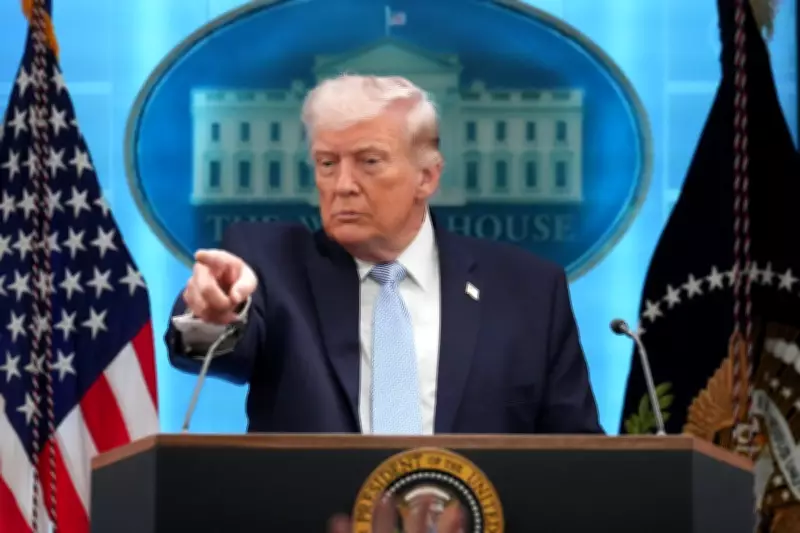
Legal experts and international law scholars are raising serious concerns about recent statements made by former U.S. President Donald Trump regarding Iran's power infrastructure. According to multiple analysts specializing in international humanitarian law, Trump's threatened destruction of Iran's power plants could potentially be classified as a war crime under established international protocols.
The Legal Framework of Armed Conflict
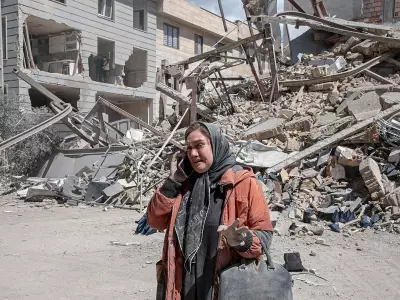
International humanitarian law, particularly the Geneva Conventions and their Additional Protocols, establishes clear guidelines for the conduct of armed conflict. These legal frameworks specifically prohibit attacks on objects indispensable to the survival of civilian populations, which includes critical infrastructure such as power generation facilities.
"Targeting civilian infrastructure that provides essential services to the population violates fundamental principles of distinction and proportionality," explained Dr. Eleanor Vance, a professor of international law at Georgetown University. "Power plants fall squarely within the category of protected objects under international humanitarian law, and their deliberate destruction without clear military necessity could constitute a war crime."

Context of the Threat
The controversy stems from recent public statements in which Trump suggested he would order the destruction of Iran's power infrastructure if re-elected. While the former president has frequently employed aggressive rhetoric toward Iran throughout his political career, legal experts note that such threats gain particular significance when made by someone who could potentially return to a position of executive authority.
International law distinguishes between political rhetoric and actionable threats that could translate into policy. "When a former president who remains a leading political figure makes specific threats about targeting civilian infrastructure, it crosses a line from political posturing to concerning statements that merit legal scrutiny," noted Marcus Chen, a senior fellow at the International Crisis Group.
Historical Precedents and Consequences
The deliberate targeting of civilian infrastructure has been prosecuted as a war crime in multiple international tribunals, including:
- The International Criminal Tribunal for the former Yugoslavia
- The International Criminal Court's investigations in multiple conflict zones
- Various national courts exercising universal jurisdiction
Legal scholars emphasize that even during armed conflict, military operations must distinguish between military objectives and civilian objects. Power plants serving civilian populations generally fall into the latter category unless they are being used for military purposes that make them legitimate targets.
Broader Implications for International Relations
The controversy surrounding Trump's statements occurs against a backdrop of ongoing tensions between the United States and Iran. Experts warn that such rhetoric could further destabilize an already volatile region and potentially encourage similar threats from other global actors.
"When major political figures openly discuss violating international humanitarian law, it undermines the entire framework of rules designed to protect civilians during conflicts," said Dr. Sarah Jenkins, director of the Center for International Law and Justice. "This normalization of lawless rhetoric has dangerous implications for global security and the protection of civilian populations worldwide."
The debate highlights ongoing tensions between political rhetoric and legal accountability in international relations, particularly as the 2028 U.S. presidential election approaches and foreign policy positions come under increased scrutiny from both domestic and international observers.