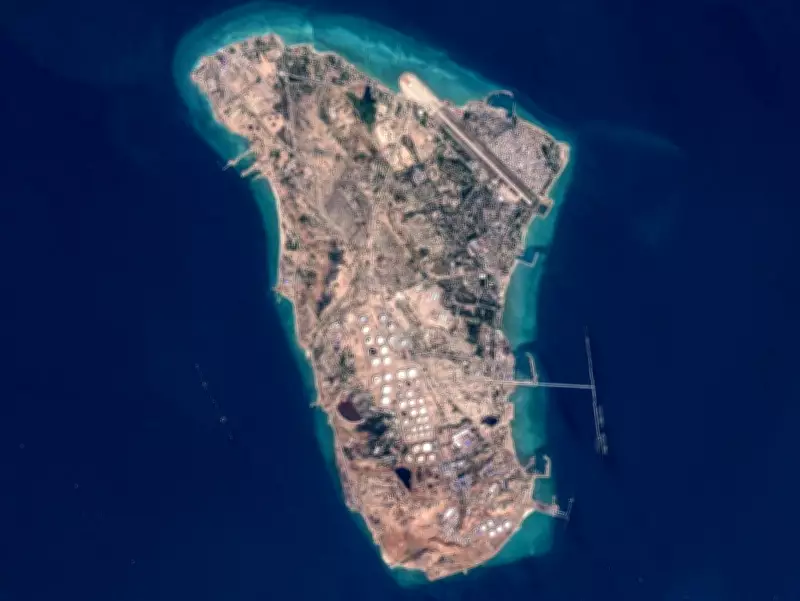
In a significant development in the ongoing conflict, U.S. President Donald Trump has indicated he is considering the seizure of Iran's Kharg Island oil terminal in the Persian Gulf. This move comes as the United States and Israel continue their military operations against Iran, heightening regional tensions and global concerns over energy security.
Trump's Threats and Diplomatic Maneuvers
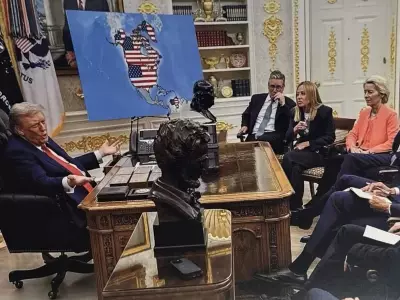
Trump recently suggested on social media that his administration is engaged in "serious discussions" with Iran to end hostilities. However, he simultaneously issued a stark warning, threatening to "obliterate" the country's energy infrastructure, including electric generating plants, oil wells, and the Kharg Island terminal, if a ceasefire deal is not reached promptly. This dual approach underscores the volatile nature of the negotiations, with Trump emphasizing in an interview with the Financial Times that seizing Kharg Island would require a prolonged U.S. military presence, but he believes it could be accomplished "very easily" due to perceived weak defenses.
Regional and International Reactions
Amid these threats, Pakistan has announced plans to host talks between the U.S. and Iran, though it remains unclear whether these discussions will be direct or mediated. Iran's Foreign Ministry spokesperson, Esmaeil Baghaei, responded cautiously, stating that while messages from Washington via intermediaries indicate a willingness to negotiate, the U.S. proposals are deemed "unrealistic, illogical, and excessive." This diplomatic stalemate is further complicated by calls from Egyptian President Abdel-Fattah el-Sissi, who urged Trump in a public speech to leverage his influence to end the war, highlighting the humanitarian and regional stability risks of continued conflict.

Iran's Internal and External Actions
On the domestic front, Iran has intensified its internal crackdown, executing two members of the banned opposition group People's Mujahedin of Iran (MEK) in Gehzel Hesar prison. The judiciary confirmed the hangings of Akbar Daneshvarkar and Mohammad Taghavi-Sangdehi, describing them as political prisoners, a move condemned by rights groups and the MEK's exiled leadership as an attempt to suppress dissent amid the war.
Externally, Iran confirmed the death of Alireza Tangsiri, commander of the naval force of the Revolutionary Guards, in an Israeli airstrike. Israel had accused Tangsiri of orchestrating the blockade of the Strait of Hormuz, a key waterway that Iran has effectively closed since the conflict began, causing global energy prices to surge. In a defiant statement, the Guards vowed retaliation, signaling no respite in the hostilities.
Diplomatic Tensions in Lebanon
Adding to the regional instability, Iran has defied Lebanon's expulsion order for its ambassador, Mohammad Reza Shibani, by announcing he will remain in Beirut. Lebanon had declared Shibani "persona non grata" in an effort to curb Iran's diplomatic influence, particularly given the country's involvement with Hezbollah in clashes with Israel. Iranian officials assert that the ambassador will continue his mission, leveraging diplomatic immunity, which raises questions about future bilateral relations and potential escalations.
As the war enters its second month, these updates highlight a complex web of military threats, diplomatic efforts, and internal repression, with Kharg Island emerging as a focal point in the struggle for control over vital energy resources in the Gulf.