Trump Calls for Allied Naval Support in Strait of Hormuz Crisis
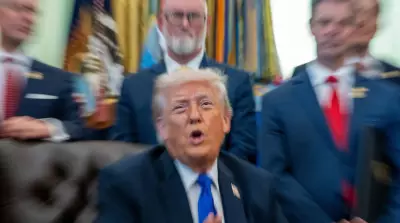
As the Middle East conflict enters its third week, U.S. President Donald Trump is making urgent demands for international military assistance to secure a critical global oil shipping route. The President has reached out to approximately seven nations, including China, France, Japan, South Korea, and Britain, insisting they deploy warships to help keep the Strait of Hormuz open.
Escalating Humanitarian and Economic Toll
The war has intensified humanitarian crises across the region. Israeli military operations in Lebanon have resulted in over 850 fatalities and displaced more than 850,000 people, according to recent reports. Meanwhile, Iranian strikes continue to target Gulf countries, disrupting maritime traffic and threatening global energy supplies.
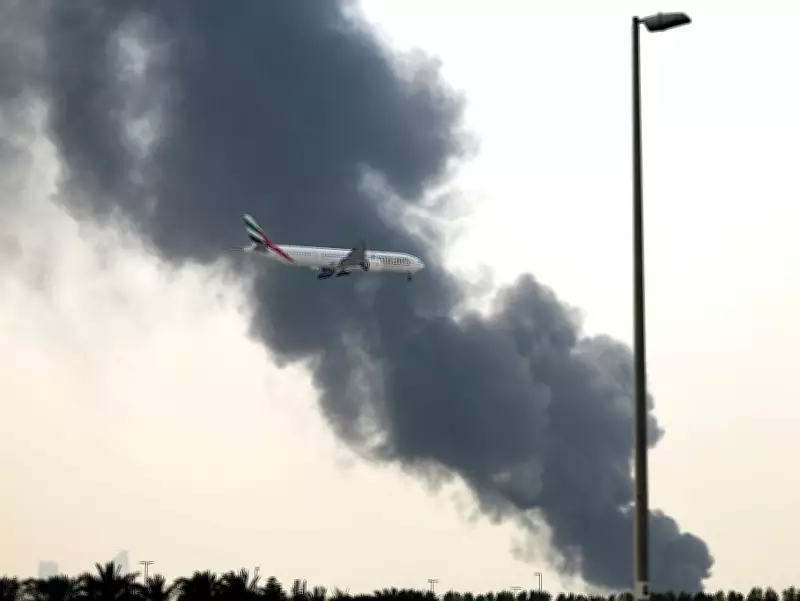
On Monday, a drone strike ignited a fuel tank at Dubai International Airport, the world's busiest aviation hub, causing significant fire damage. Authorities confirmed the blaze was contained without injuries, and airport operations have gradually resumed. Tehran has accused the United States of utilizing facilities in the United Arab Emirates to launch attacks on Iran's Kharg Island oil terminal, though no evidence has been provided.

Oil Prices Surge as Shipping Halts
The blockade of the Strait of Hormuz has virtually halted commercial shipping through this vital Persian Gulf chokepoint, leading to a dramatic spike in oil prices. Brent Crude was trading near $105 per barrel on Monday, reflecting growing market anxieties.
Admiral Brad Cooper, head of U.S. Central Command, emphasized American commitment to protecting the waterway. In a video statement, Cooper declared, "We will continue to rapidly deplete Iran's ability to threaten freedom of navigation in and around the Strait of Hormuz." He noted that U.S. forces are focusing on countering Iranian threats to oil and natural gas freighters.
International Responses and Diplomatic Maneuvers
Allied nations have offered mixed reactions to Trump's appeal for naval support:
- United Kingdom: Prime Minister Keir Starmer stated Britain is collaborating on a plan to reopen the strait but "will not be drawn into the wider war." The U.K. is unlikely to send warships, instead considering deploying mine-hunting drones.
- Italy: Foreign Minister Antonio Tajani expressed support for reinforcing EU naval missions in the Red Sea but opposed expanding them to the Strait of Hormuz.
- Germany: Foreign Minister Johann Wadephul called for clearer military objectives from the U.S. and Israel before discussing regional security architecture involving Iran.
- Australia: Transport Minister Catherine King explicitly refused to send warships, stating Australia is "not taking offensive action against Iran."
Iranian Foreign Minister Abbas Araghchi claimed the strait remains open "from our perspective," asserting it is only closed to vessels from the U.S., Israel, and their allies. He cited the passage of a Pakistani-controlled tanker through the strait as evidence.
Expanding Military Operations and Civilian Casualties
Israel has escalated ground operations against Hezbollah in Lebanon, conducting fresh strikes on Beirut's southern suburbs and deploying additional troops for what it describes as a "limited and targeted operation." Military spokesman Lt. Col. Nadav Shoshani said these actions aim to defend Israeli border communities from militant attacks.
Civilian casualties continue to mount. Lebanon's Health Ministry reported an Israeli airstrike killed four people, including two children, in the village of Qantara. In Gaza, hospital authorities confirmed two Palestinian women and a six-year-old boy died when a wall collapsed. A Palestinian civilian was also killed in a missile attack in Abu Dhabi.

Regional Attacks and Security Challenges
Bahrain's Defense Ministry responded to attacks involving four missiles and three drones on Monday morning. Saudi Arabia intercepted three drones over Riyadh and its western oil region. In the United Arab Emirates, a drone attack caused a fire at an industrial oil facility in Fujairah, with no casualties reported. UAE defense forces are actively intercepting Iranian missiles and drones.
Trump's planned trip to China faces potential delays due to the conflict. Treasury Secretary Scott Bessent denied this is a tactical move to pressure Beijing, explaining logistical challenges and the President's need to coordinate war efforts from Washington.
The international community remains divided on military involvement, as humanitarian aid efforts expand. Britain has pledged 5 million pounds to support displaced populations in Lebanon, highlighting the complex interplay of military, economic, and humanitarian dimensions in this ongoing crisis.