Trump Indicates Possible Reduction in U.S. Military Operations Against Iran
President Donald Trump has publicly stated that the United States is considering "winding down" its military efforts in Iran, suggesting that American objectives in the conflict are nearly achieved. This announcement comes as the war, which has disrupted financial markets and regional stability, approaches its fourth week.
Divergent Signals on Military Strategy
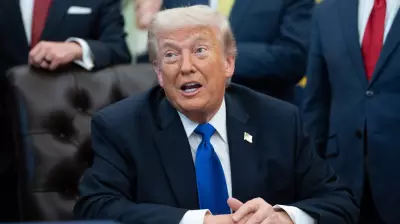
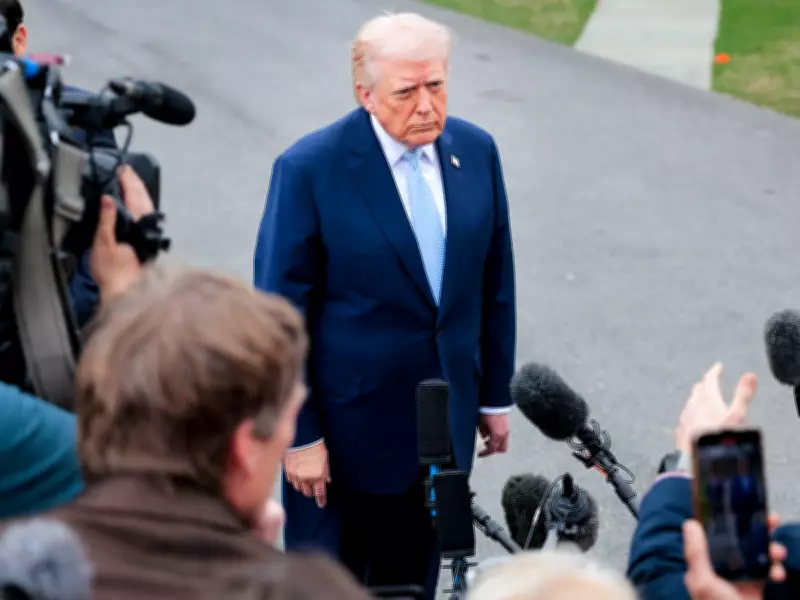
In a social media post on Friday, Trump declared, "We are getting very close to meeting our objectives as we consider winding down our great Military efforts in the Middle East." He outlined these objectives as completely degrading Iran's missile capabilities, destroying its defense industrial base, eliminating its navy and air force, preventing Tehran from attaining nuclear capability, and protecting Middle Eastern allies.
However, this statement followed shortly after Trump ruled out a ceasefire and kept open the possibility of deploying ground troops, creating conflicting messages about U.S. plans in the ongoing war with Iran and Israel. The White House has also ordered hundreds of Marines to deploy to the Middle East as officials weigh a potential plan to seize Kharg Island.

Uncertain Iranian Response and Regional Tensions
It remains unclear how Iran would react to any unilateral U.S. decision to pause military strikes. Recent attacks have targeted Iran's energy infrastructure and resulted in the deaths of high-profile officials, including security chief Ali Larijani. Iranian officials have shown reluctance to discuss reopening the Strait of Hormuz as Tehran continues launching retaliatory strikes against Gulf Arab neighbors.
Trump addressed the critical waterway, which carries approximately one-fifth of global oil and natural gas flows and has been largely closed since hostilities began. He indicated that the U.S. would not take primary responsibility for securing the strait, stating, "The Hormuz Strait will have to be guarded and policed, as necessary, by other Nations who use it — The United States does not!"
Global Economic Implications
The president's suggestion that nations most reliant on Middle Eastern energy should police the Strait of Hormuz overlooks the global nature of oil markets. While the U.S. is producing record amounts of oil, crude prices are determined in a worldwide market. Supply disruptions related to the strait would create ripple effects from Beijing to Washington, impacting consumers globally.
Trump's comments about potentially winding down the conflict came during a tumultuous Friday in financial markets. Oil prices had surged earlier, with global benchmark Brent closing above $112 per barrel—the highest level since mid-2022—before easing to approximately $108 following Trump's remarks.
Global stocks extended their losses, with the U.S. equity benchmark falling nearly 2% for the week. Treasury yields climbed as traders priced in a 50% chance of a Federal Reserve interest rate hike by October, while gold experienced its worst week in four decades.
Ongoing Military Considerations
Despite the potential drawdown signals, U.S. officials continue to prepare military options, including the possible deployment of ground troops. The conflict has highlighted the complex dynamics between military objectives, regional stability, and global economic impacts as the situation continues to evolve.