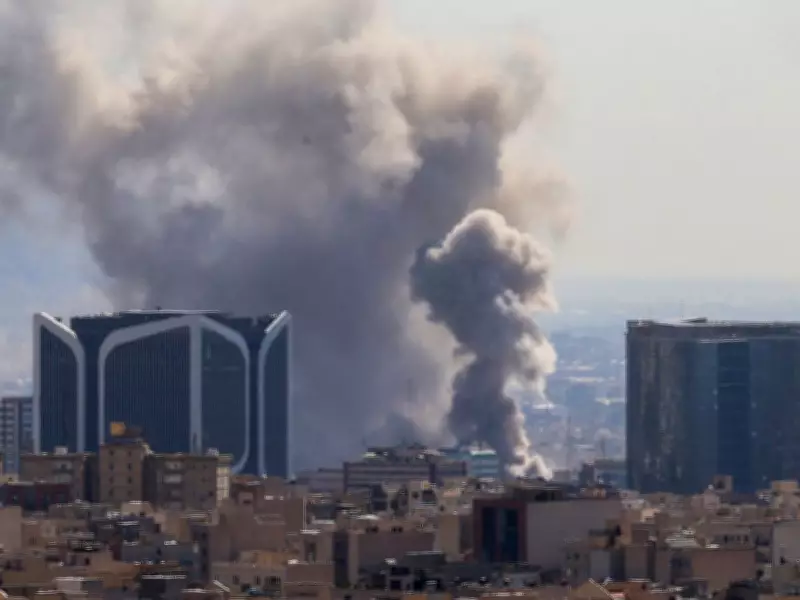
In the wake of a significant military escalation, concerns are mounting about the potential for domestic terrorism in Canada. This follows a coordinated attack by the United States and Israel on Iran, which resulted in the death of Supreme Leader Ayatollah Ali Khamenei and triggered retaliatory missile strikes from Tehran on March 1, 2026.
Analyzing the Security Landscape
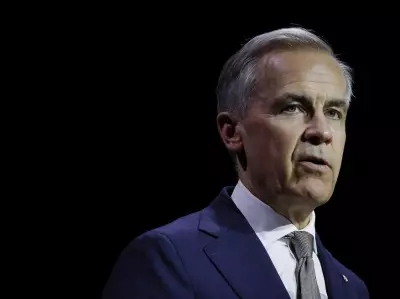
Sun political columnist Brian Lilley recently engaged in a detailed conversation with former U.S. intelligence officer Jonathan Panikoff to explore the implications of these events. The discussion centered on whether Canada could face an increased risk of terror attacks as a direct consequence of the strikes.
Expert Insights on Potential Threats
Panikoff provided a nuanced perspective, drawing from his experience in intelligence to assess the likelihood of extremist groups targeting Canadian soil. He emphasized that while the immediate focus has been on the Middle East, the global nature of terrorism means that Western nations, including Canada, must remain vigilant.

The conversation highlighted several key factors that could influence the threat level, including Iran's history of supporting proxy groups and the potential for radicalized individuals within Canada to act independently. Lilley pressed on the specifics of how Canadian authorities are preparing for such scenarios, noting the importance of intelligence-sharing and community engagement in prevention efforts.
Public Engagement and Media Response
In line with the article's interactive approach, readers were encouraged to share their thoughts through comments or letters to the editor. This reflects a broader trend in media to foster public discourse on critical security issues. The video component, though initially facing technical difficulties, underscores the multimedia nature of modern journalism in covering fast-evolving events.
As the situation continues to develop, experts warn that the aftermath of the strikes could have long-lasting repercussions for international security. The discussion between Lilley and Panikoff serves as a timely reminder of the interconnectedness of global conflicts and domestic safety concerns.
Ultimately, the analysis suggests that while there is no immediate, high-probability threat, the risk cannot be dismissed. Canadian security agencies are likely monitoring the situation closely, adapting strategies to mitigate any potential dangers arising from the heightened tensions in the Middle East.