In a significant escalation of tensions between the legislative and executive branches, U.S. Senator Mark Kelly (D-Ariz.) has filed a lawsuit against the Department of Defense. The legal action, initiated on January 12, 2026, centers on allegations that the Pentagon, under the direction of President Donald Trump and Defense Secretary Pete Hegseth, attempted to punish the senator for his public warnings about potentially illegal military operations.
The Core of the Controversy: Warnings Over Caribbean Strikes
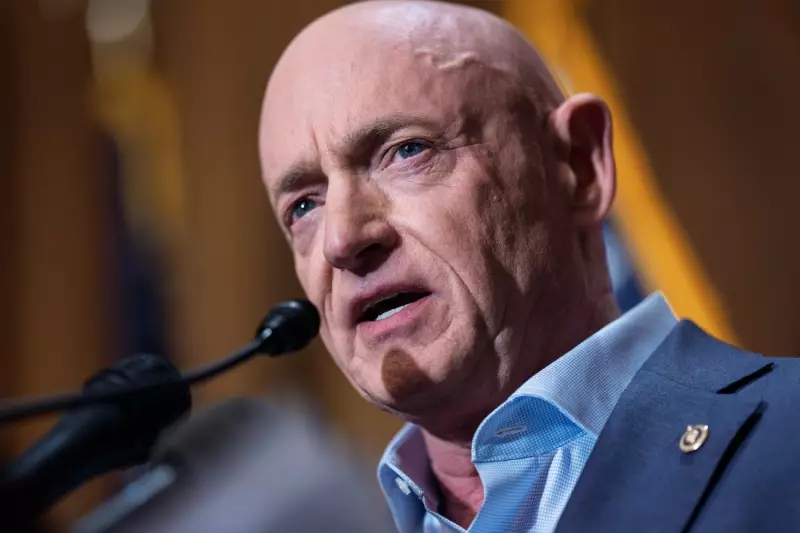
The dispute originates from Senator Kelly's expressions of deep concern regarding U.S. military strikes against vessels suspected of drug smuggling in the Caribbean. Kelly and other lawmakers had raised formal objections, questioning the legal authority and justification for these actions. The senator articulated these worries during a news conference at the U.S. Capitol in Washington on December 1, 2025.
Following his public statements, Kelly alleges that the Trump administration engaged in a campaign of intimidation designed to silence dissent. The lawsuit refutes what it describes as direct efforts by both President Trump and Defense Secretary Hegseth to threaten and penalize him for fulfilling his constitutional oversight duties.

Legal Standoff and Allegations of Intimidation
The legal filing posits that attempts to retaliate against a sitting senator for questioning military orders represent a dangerous breach of the separation of powers. Kelly's position is that such intimidation tactics undermine the essential role of Congress in providing checks and balances on executive power, particularly concerning matters of national defense and the lawful use of military force.
The lawsuit seeks to establish a legal precedent protecting legislators from executive branch retaliation when they raise alarms about orders that may contravene U.S. or international law. This case highlights the ongoing friction in Washington regarding the limits of presidential authority in directing military engagements.
Broader Implications for Oversight and Accountability
This legal battle extends beyond the immediate parties, touching on fundamental questions of governmental accountability. The outcome could significantly impact how future lawmakers interact with the Department of Defense and the White House on sensitive security issues.
For observers in Canada and internationally, the case underscores the volatile nature of current U.S. domestic politics and its potential ripple effects on foreign policy and military alliances. The allegation that a senior administration sought to punish a senator for performing oversight is a serious charge with ramifications for democratic norms.
The Pentagon has yet to issue a formal public response to the lawsuit. As the case proceeds, it will be closely watched as a barometer of institutional resilience and the state of civil-military relations under intense political pressure.