In a significant diplomatic maneuver, the Russian government has formally requested that the United States halt its pursuit of an oil tanker that was initially bound for Venezuela. The request, filed through official channels, underscores the escalating geopolitical friction surrounding global energy markets and international sanctions regimes.
The Core of the Diplomatic Request
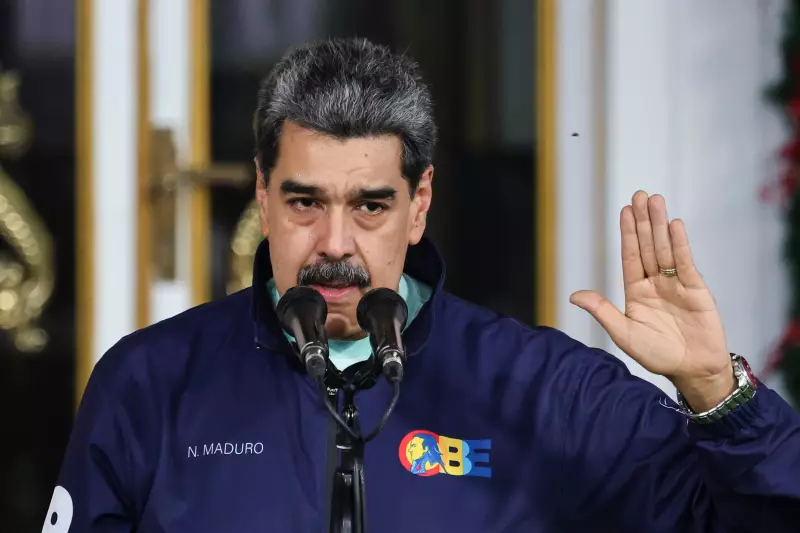
The request centers on a specific vessel carrying oil. While the precise name and current location of the tanker were not disclosed in the initial report, the core fact is clear: Russia is actively seeking U.S. intervention to stop the pursuit of this ship. The tanker's original destination was Venezuela, a nation under extensive U.S. economic sanctions designed to pressure the government of President Nicolás Maduro.
This action by Moscow represents a direct challenge to U.S. foreign policy efforts in the region. For years, Washington has enforced sanctions aimed at curtailing Caracas's ability to profit from its vast oil reserves, a primary source of revenue for the Maduro administration. The interception or diversion of oil tankers suspected of violating these sanctions has been a key tactic.

Context and Geopolitical Implications
This diplomatic note arrives amidst a complex backdrop of international relations. Russia has maintained strong political and economic ties with Venezuela, offering the South American country a crucial lifeline amid Western isolation. The request to the U.S. can be interpreted as Moscow defending its ally's interests and challenging the unilateral application of American sanctions on the global stage.
The move also highlights the ongoing strategic competition between major powers over energy resources and trade routes. Control and influence over the flow of oil remain potent tools of statecraft. By formally asking the U.S. to stand down, Russia is testing Washington's resolve and potentially setting a precedent for future encounters involving vessels linked to sanctioned states.
Potential Outcomes and Next Steps
The United States has not issued an immediate public response to the Russian diplomatic request. Analysts will be watching closely to see if the U.S. State Department acknowledges the note and how it chooses to proceed. Possible outcomes include:
- Continued Pursuit: The U.S. could ignore the request and continue its efforts to monitor or intercept the tanker, reinforcing its sanctions policy.
- Diplomatic Dialogue: The request could open a behind-the-scenes channel for discussion between the two nations, though relations remain strained.
- Escalation Risk: A direct confrontation at sea is considered unlikely but remains a worst-case scenario risk if positions harden.
This incident serves as a stark reminder of how energy politics continue to drive international diplomacy and conflict. The situation remains fluid, with the potential to impact not only U.S.-Russia and U.S.-Venezuela relations but also the stability of global oil shipping lanes. The world will be watching for Washington's next move in this high-stakes diplomatic standoff.