Canadian Reservists Report Feeling Like Second-Class Soldiers in Military Study
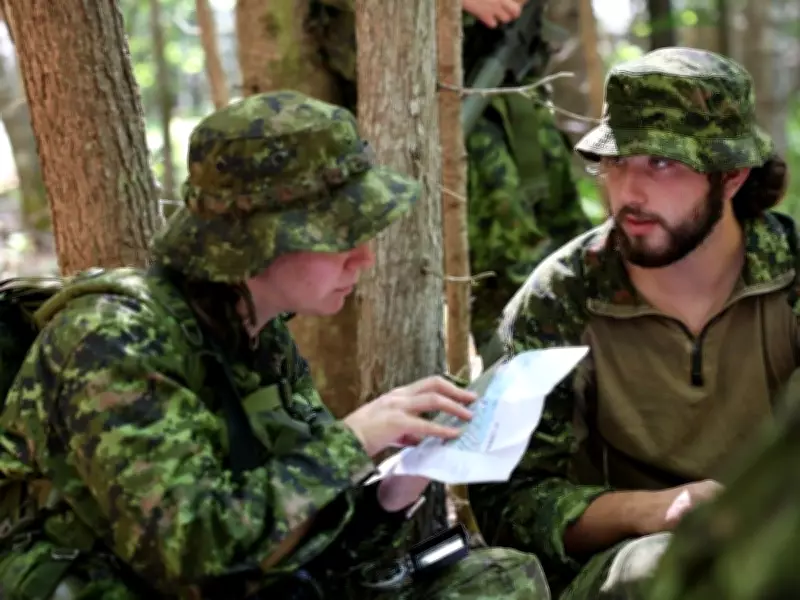
A comprehensive analysis conducted by the Canadian Forces has uncovered significant concerns among military reservists, who report feeling treated as second-class soldiers compared to their regular force counterparts. The study, which is still being finalized, highlights systemic issues including limited training opportunities, deployment restrictions, and pervasive bias that undermines reservist morale and effectiveness.
Key Findings from the Military Analysis
The document was initially presented at an academic conference on October 24, 2025, focusing on reserve forces. It outlines preliminary observations collected for the Director General Military Personnel Research and Analysis. While data analysis continues and a final report is expected later this year, the presentation revealed troubling patterns in how reservists perceive their treatment within the Canadian military structure.
"There is a mindset within the Regular Navy that reservists are second-class citizens," one unnamed senior naval officer told researchers during the study. "And I think there are impediments to making sure reservists get trained to the same level as the Regular Force counterparts."

Specific Problem Areas Identified
Although relationships between full-time regular force members and part-time reservists are generally viewed as positive, the analysis identified several critical problem areas:
- A significant lack of training opportunities specifically designed for reservists
- Limited deployment options that restrict operational experience
- Persistent bias that labels reservists as less competent than regular force personnel
- Regular force members receiving priority for career advancement opportunities
A senior air force officer emphasized the structural nature of these challenges, noting: "It's very difficult to get career progressions and training, and deployments in particular that are necessary. This is by design because Regular Force counterparts have to get preference."
Impact on Reservist Morale and Effectiveness
The analysis revealed how these systemic issues affect reservists in practical terms. A junior non-commissioned officer in the Canadian Army described experiencing a lack of respect during deployments, with reservists being "kind of forced or shunted to a lesser role" rather than being allowed to perform certain tasks for which they were qualified.
Compensation and benefits emerged as another significant concern. A senior air force non-commissioned member explained: "We have members who have gone on deployments, they want to deploy, they're hungry to serve in that aspect, but then, based on past experiences with the issues that have come up with their pay and benefits, they're not willing to go again."
Broader Implications for Canadian Defense Strategy
These findings arrive at a critical juncture for Canadian military leadership, which is currently looking to reservists to form the backbone of a significantly expanded force. The analysis provides senior commanders with valuable insights into what changes need implementation as they prepare the Canadian Forces for future challenges.
The study also highlighted ongoing difficulties reservists face in balancing military service with civilian responsibilities, including taking time away from families and regular employment. These challenges compound the perception of being treated as secondary within the military hierarchy.
As the Canadian military continues to evolve its force structure and preparedness, addressing these reservist concerns will be essential for maintaining morale, ensuring operational effectiveness, and building a cohesive defense force capable of meeting both domestic and international obligations.