RCMP Officer Details Safety Concerns at Coastal GasLink Pipeline Protest While Acknowledging Journalist Access
An RCMP officer has provided testimony stating that a protest against the Coastal GasLink pipeline in British Columbia in 2021 created significant safety risks, but confirmed that journalists were allowed into the area. This testimony emerges as part of an ongoing legal case involving Canadian photojournalist Amber Bracken and the news organization The Narwhal.
Legal Proceedings and Journalistic Rights
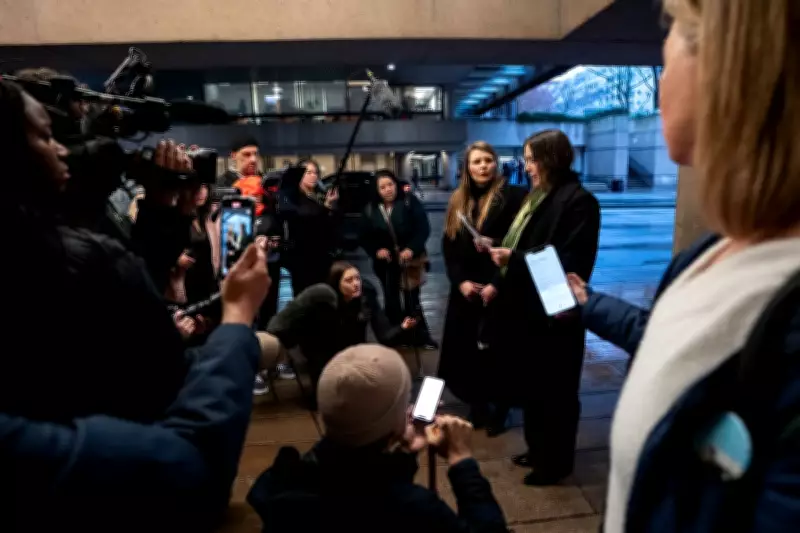
The officer's statements were delivered during a trial in Vancouver, where Bracken and The Narwhal are suing the RCMP. The lawsuit seeks damages and a formal declaration that Bracken was wrongfully arrested during the protest. Carol Linnitt, the acting editor-in-chief and executive director of The Narwhal, was present at the proceedings, emphasizing the organization's commitment to defending press freedoms.
The central contention revolves around whether journalistic activities were unjustly impeded during a volatile situation. The RCMP maintains that while safety was a paramount concern due to the protest's nature, access was not universally denied to media personnel.

Context of the 2021 Protest
The protest in question was part of a series of demonstrations by opponents of the Coastal GasLink pipeline project in British Columbia. These events have often been marked by tensions between law enforcement, industry workers, protesters, and the media covering the situation.
The officer's testimony attempts to delineate the operational challenges faced by police during such events, balancing public safety with the rights of observers and the press. This case highlights the ongoing and complex intersection of resource development, Indigenous rights, public protest, and freedom of the press in Canada.
Broader Implications for Media and Policing
This legal action is being closely watched by media advocacy groups and civil liberties organizations. The outcome could set important precedents regarding how police manage media access during large-scale protests and industrial disputes, particularly in remote or sensitive locations.
The testimony confirms that the RCMP recognized the presence of journalists at the scene, a point that may be crucial in determining the lawfulness of subsequent actions taken against specific individuals. The case continues to unfold in the British Columbia court system.