The protracted and bloody fight of the Philippines against Islamist extremist groups has been thrust back into international focus. This renewed scrutiny follows a recent attack in Bondi, which has drawn parallels to the persistent security threats emanating from militant factions in the Southeast Asian nation's southern regions.
The Marawi Siege: A Brutal Chapter
The conflict's intensity was starkly demonstrated during the 2017 Battle of Marawi. For five months, starting in May of that year, Philippine security forces engaged in grueling urban combat against militants affiliated with the Maute group and Abu Sayyaf, both of which had pledged allegiance to the Islamic State (ISIS).
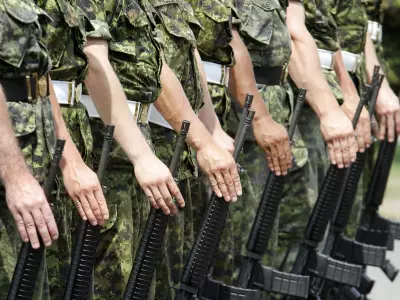
Images from that time, such as those captured on May 25, 2017, show soldiers taking defensive positions and advancing cautiously street by street in Marawi City, located on the southern island of Mindanao. They faced relentless sniper fire while attempting to clear the city of armed fighters. The siege resulted in the deaths of over 1,000 people, predominantly militants, and displaced hundreds of thousands of civilians, leaving the city in ruins.

Enduring Threat and Global Connections
While the Philippine government declared the liberation of Marawi in October 2017, the underlying threat of Islamist extremism has never been fully eradicated. Sporadic clashes and attacks have continued in Mindanao, a region with a long history of separatist and Islamist insurgency.
The Bondi attack has served as a stark reminder of the transnational nature of such extremist ideologies. Security analysts often highlight the connections between regional groups in Southeast Asia and global jihadist networks. Events in one part of the world can refocus attention on simmering conflicts elsewhere, underscoring the shared challenge of countering violent extremism.
Ongoing Challenges and Security Implications
The Philippines' battle is multifaceted, involving not only military action but also efforts to address the root causes of radicalization, such as poverty, historical marginalization, and governance issues in the south. The government continues to implement martial law-era provisions and counter-terrorism laws to combat the threat.
For the international community, including nations like Canada with citizens traveling abroad, the situation underscores the importance of global security cooperation. The resurgence of attention on the Philippines following the Bondi incident highlights how localized conflicts can have reverberations that capture worldwide concern, influencing travel advisories and international counter-terrorism strategies.
The path forward for the Philippines remains complex, requiring a sustained blend of decisive security measures and long-term socio-economic initiatives to achieve lasting peace in its troubled southern provinces.