Pentagon Seeks Massive $200 Billion Funding Increase for Iran Conflict
The United States Department of Defense is pursuing a substantial $200 billion in additional funding to support military operations in the ongoing conflict with Iran, according to a source familiar with the matter who spoke to The Associated Press. This significant budget request underscores the escalating nature of the Middle Eastern conflict and the Pentagon's assessment of resource requirements for sustained engagement.
Escalating Regional Tensions and Military Actions
The funding request emerges against a backdrop of heightened regional hostilities. Recent developments include overnight attacks launched by Iran in retaliation for the killing of a security chief, as reported by CTV News in Dubai. Simultaneously, the situation in Lebanon has deteriorated with intensified Israeli strikes, while the U.S. Senate has conducted hearings grilling top intelligence officials about the war strategy.
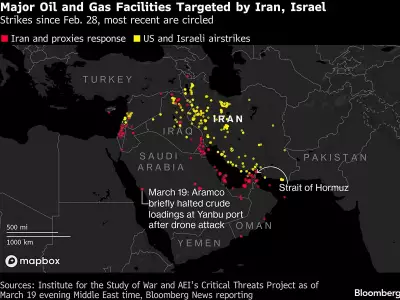
Military analysts have described coordinated attacks on major Iranian gas fields as a "double-edged sword," highlighting the complex tactical landscape. The death of Iran's intelligence minister has been characterized by one military analyst as "a huge blow to the Iranian regime," potentially altering the conflict's dynamics.

Broader Context and Strategic Implications
This substantial funding request reflects the Trump administration's continued focus on the Iran conflict, which critics argue has created significant geopolitical risks. The war has underscored concerns about America's relentless focus on oil interests in the region, according to policy analysts monitoring the situation.
The Pentagon's $200 billion ask represents one of the largest supplemental funding requests in recent memory for a single conflict zone. If approved, these funds would substantially increase America's military expenditure in the Middle East, potentially extending the duration and scope of operations against Iranian targets.
Domestic Political Dimensions
The funding request arrives as former presidential candidate Tulsi Gabbard and top U.S. intelligence officials are scheduled to testify before Congress regarding the Iran war. This congressional scrutiny indicates growing political attention to the conflict's management and costs.
Meanwhile, the Canadian government has earmarked $1.4 billion for key munitions production in Quebec and Ontario, suggesting allied nations are also ramping up defense manufacturing capabilities amid global tensions.
The Pentagon's substantial funding request highlights the evolving nature of modern warfare and the significant financial commitments required for sustained military engagements in volatile regions like the Middle East.