North Korea Conducts Major Missile Test Amid Regional Military Drills
In a significant show of military force, North Korea fired around 10 missiles toward the sea, according to statements from Seoul. This provocative action comes as South Korea and the United States are engaged in joint military exercises, heightening tensions on the Korean Peninsula.
Timing Coincides with U.S.-South Korea Freedom Shield Exercises
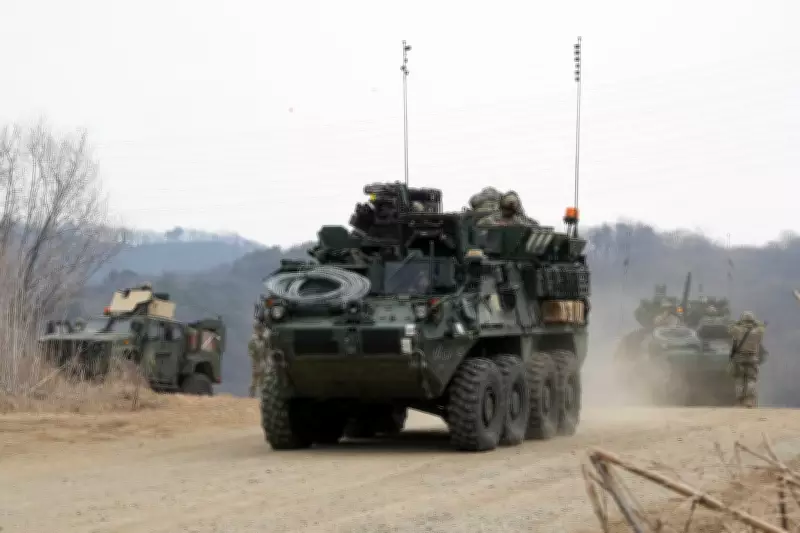
The missile launches occurred on March 14, 2026, coinciding with the Freedom Shield military exercises between South Korean and U.S. forces. These drills, which include joint river-crossing operations in Yeoncheon, South Korea, are designed to enhance defensive capabilities and demonstrate alliance strength.
South Korean officials confirmed the missile firings, noting that the projectiles were launched toward eastern waters. While the exact types of missiles were not specified, such tests are typical of North Korea's strategy to assert its military prowess and respond to perceived threats from allied exercises.

Escalating Tensions in a Volatile Region
This latest missile test underscores the ongoing volatility in Northeast Asia, where diplomatic efforts have stalled. North Korea has repeatedly condemned U.S.-South Korea military drills as rehearsals for invasion, using them as justification for its own weapons development and testing.
The international community is closely monitoring the situation, with concerns about potential escalations. Analysts suggest that these launches may be aimed at strengthening North Korea's bargaining position in future negotiations or simply demonstrating its capability to strike regional targets.
Broader Context of Military Posturing
The missile firings are part of a pattern of increased military activity by North Korea, which has been advancing its nuclear and ballistic missile programs despite international sanctions. Meanwhile, South Korea and the U.S. have bolstered their joint exercises in response, citing the need for readiness against potential aggression.
As tensions simmer, the risk of miscalculation remains high. Both sides have emphasized defensive postures, but the cycle of action and reaction continues to fuel instability in one of the world's most heavily militarized regions.