In a significant development for Arctic security, the United Kingdom and Germany have initiated discussions about the potential deployment of NATO forces to Greenland, according to a report from Bloomberg News. The talks, which took place in early January 2026, are reportedly aimed at calming tensions and deterring perceived threats from the United States.
The Strategic Arctic Discussions
The confidential discussions between the two major European NATO members focus on establishing a military presence in the vast, strategically crucial territory of Greenland. This move is seen as a direct response to growing concerns over US actions and influence in the region. The report, published by Bloomberg on January 11, 2026, cites sources familiar with the matter, though official government comments from the UK, Germany, or Denmark (which governs Greenland) have been limited.
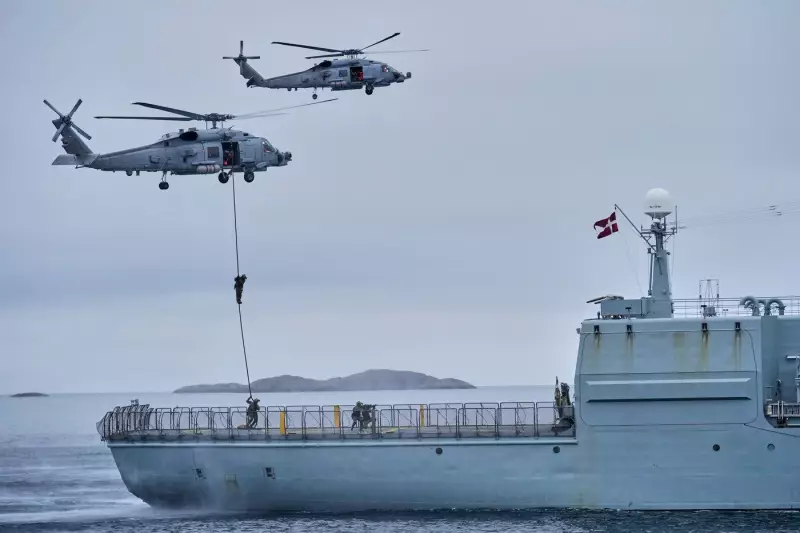
The context for these talks is a rapidly changing geopolitical landscape in the High North. The Arctic has become a focal point for global powers due to its untapped resources and new shipping lanes opened by climate change. A NATO exercise held just months prior, in September 2025, underscored the alliance's growing focus on the area. That exercise saw Danish military forces training with hundreds of troops from several European NATO members in Nuuk, Greenland's capital.

Background and Geopolitical Implications
The notion of stationing NATO forces in Greenland is not merely a theoretical exercise. It represents a tangible shift in how European allies view their security responsibilities and their relationship with the United States. While the specific nature of the "US threat" mentioned in the report remains undefined by Bloomberg's sources, it points to underlying strains within the transatlantic alliance regarding Arctic strategy and sovereignty.
Greenland, an autonomous territory within the Kingdom of Denmark, holds immense strategic value. Its location offers control over key maritime passages between the Atlantic and Arctic Oceans. Any permanent NATO deployment there would significantly alter the security calculus in the region, potentially counterbalancing other powers' activities.
Regional and Global Reactions
While the Bloomberg report centers on European diplomacy, the implications are global. Such a deployment would inevitably draw reactions from other Arctic nations, including Canada, Russia, and the United States itself. For Canada, a fellow Arctic state and NATO member, these talks would be of paramount interest, affecting its own northern defense and sovereignty policies.
The discussions between the UK and Germany highlight a trend of European NATO members taking a more proactive and independent role in collective security, particularly in theaters where American and European priorities may not fully align. The outcome of these talks could set a precedent for future NATO operations beyond its traditional European borders.
As of now, the talks are described as exploratory. No formal proposals have been announced, and any final decision would require the consent of the Danish government and the home rule authorities in Greenland. However, the mere fact that such high-level discussions are occurring marks a pivotal moment in Arctic security policy and intra-alliance politics as the world moves deeper into 2026.