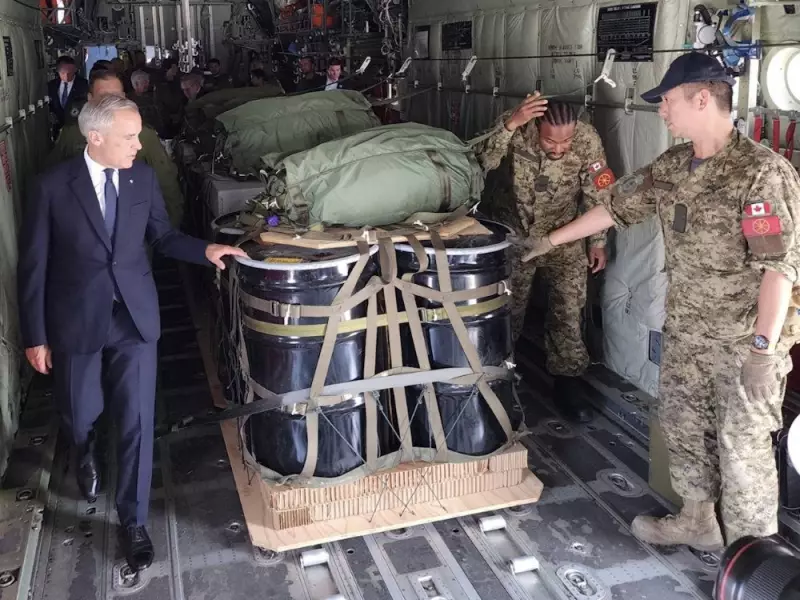
The Canadian Department of Defence is engaged in a high-stakes financial sprint, working to expend an additional $9 billion before the current fiscal year concludes on March 31. This unprecedented spending push stems from a commitment made by Prime Minister Mark Carney to finally meet Canada's long-ignored NATO defence spending target.
The NATO Spending Promise and the $9 Billion Gap
In June 2025, one of the Carney government's first major policy announcements was a pledge to accelerate Canada's defence investments. The government vowed to achieve the NATO benchmark of spending 2% of GDP on defence by the end of the year, a target set by the alliance in 2014 that Canada has consistently missed. With the existing military budget at approximately $53 billion, an extra $9 billion was required to reach the two percent threshold.
This commitment was a direct response to Canada's poor track record within the alliance. According to NATO's own figures, Canada has not only failed to hit the 2% goal but has struggled to maintain spending above 1.5% of GDP, often ranking among the lowest contributors. The Carney government's move aimed to shed the nation's reputation as a "freeloader" within the defensive pact.

The Daunting Timeline and Procurement Hurdles
The core challenge lies in the compressed timeline. Carney's pledge was made on June 9, 2025, leaving the Department of Defence with roughly ten months to allocate the massive sum. This equates to spending nearly $30 million every single day until the fiscal year ends.
While military hardware is notoriously expensive, making such rapid purchases is complicated by Canada's notoriously slow and bureaucratic procurement system. The process is ill-suited for swift, large-scale expenditure. Major acquisitions like fighter jets or warships are off the table due to years-long lead times and complex negotiations.
This systemic sluggishness is highlighted by past projects. The effort to replace the military's aging sidearms, some dating to the Second World War, took nearly two decades, bogged down by extensive testing, approvals, and domestic sourcing requirements. Similarly, the saga to replace Canada's fleet of CF-18 fighter jets, initiated with a commitment to F-35s as early as 2010, remains unresolved, delayed further by political debates over Canadian manufacturing involvement.
The Implications of the Spending Crunch
The current situation presents the Liberal government with the unusual dilemma of potentially failing to spend allocated money fast enough. The department is now in the closing weeks of an "all-out drive" to identify areas where billions can be committed before the deadline.
This rush underscores a significant tension between political promises and administrative reality. Meeting the NATO target is a symbolic and strategic win for the government, but the scramble to do so reveals the deep-seated inefficiencies in how Canada equips its armed forces. The outcome of this fiscal year-end effort will be a key test of the government's ability to translate defence spending pledges into tangible, timely investments for the Canadian Armed Forces.