Middle East Conflict Escalates with Attacks on Arab States and U.S. Bases
The ongoing conflict involving Iran has dramatically widened its scope, with new reports confirming that Arab states and United States military installations have become targets in the escalating violence. Simultaneously, the Lebanese militant group Hezbollah has launched a series of attacks against Israel, further intensifying the already volatile situation in the Middle East. This expansion of hostilities signals a dangerous shift that could potentially draw multiple nations into a broader regional confrontation.
Hezbollah Strikes Israel Amid Rising Tensions
Hezbollah, the Iran-backed militant organization based in Lebanon, has initiated direct attacks on Israeli territory, marking a significant escalation in the long-standing proxy conflict between Iran and Israel. These strikes come as Israel continues to exchange fire with Iranian forces, creating a multi-front crisis that threatens to destabilize the entire region. The involvement of Hezbollah adds another layer of complexity to an already intricate geopolitical landscape.
Arab States and U.S. Military Installations Targeted
In a concerning development, several Arab nations have reported being targeted in the expanding conflict, though specific countries have not been officially named in initial reports. Additionally, United States military bases in the region have come under attack, raising serious questions about American involvement and potential responses. The targeting of U.S. installations represents a direct challenge to American military presence in the Middle East and could prompt significant policy decisions from Washington.

As the conflict intensifies, civilian death tolls continue to rise following recent strikes by both U.S. and Israeli forces against Iranian targets. The increasing number of non-combatant casualties has sparked widespread panic throughout affected regions, with humanitarian organizations expressing grave concerns about the potential for a full-scale humanitarian crisis if hostilities continue to escalate.
Political Responses and International Reactions
The United States Congress is scheduled to discuss the Iranian strikes and potential military action during sessions beginning Tuesday, indicating the seriousness with which American lawmakers are treating the situation. Meanwhile, former President Donald Trump has claimed that attacks against Iran could persist for weeks, though many analysts and officials remain concerned about the unpredictable nature of the conflict and its potential long-term consequences.
International diplomatic efforts are underwayDespite the escalating violence, diplomatic channels remain active, with Russia and Ukraine reportedly planning talks in Abu Dhabi this week that may change venue according to Ukrainian President Volodymyr Zelenskyy. These discussions, while primarily focused on the ongoing conflict between Russia and Ukraine, could potentially address broader regional stability concerns given the current Middle East tensions.
Regional Economic Impacts and Security Measures
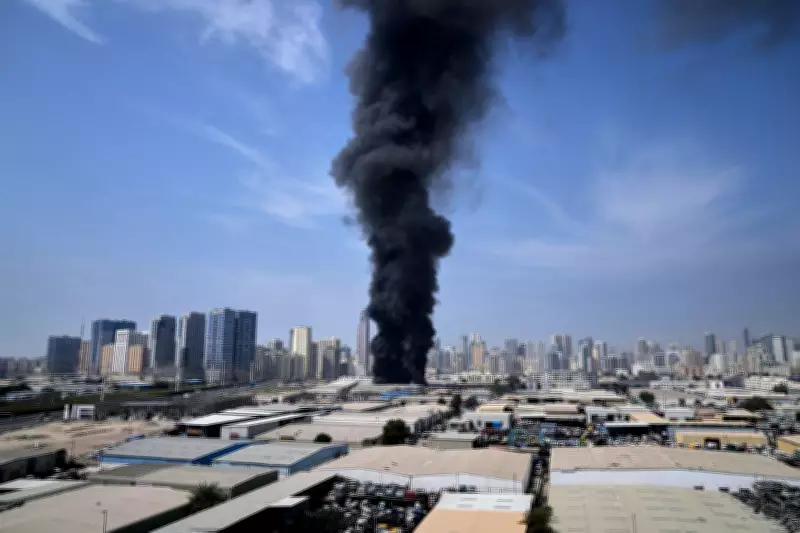
The conflict has already begun to disrupt economic activities across the Middle East, with Saudi Arabia halting some operations at its massive Ras Tanura refinery in response to security concerns. Oil and gas markets have experienced significant volatility as the conflict threatens to disrupt Middle Eastern energy flows, potentially affecting global energy prices and economic stability.
Heightened Security Measures ImplementedIn response to the attacks on Iran by U.S. and Israeli forces, police departments in various jurisdictions have announced they are stepping up patrols around places of worship and organizations that might be targeted in retaliatory actions. These precautionary measures reflect growing concerns about the potential for the conflict to inspire violence beyond the immediate region.

Cyber Warfare Emerges as Additional Front
In the digital realm, hackers have reportedly targeted Iranian apps and websites following the U.S.-Israeli strikes, demonstrating how modern conflicts increasingly play out in cyberspace as well as on physical battlefields. This cyber dimension adds another layer of complexity to the ongoing confrontation and highlights the multifaceted nature of contemporary warfare.
The widening conflict represents one of the most serious escalations in Middle East tensions in recent years, with the potential to draw in multiple state and non-state actors across the region. As attacks continue against Arab states, U.S. bases, and Israeli territory, the international community watches with growing concern about where this dangerous escalation might lead and what measures might be necessary to prevent a full-scale regional war.