Lebanon Digs for Survivors After Deadliest Day of Renewed War Between Israel and Hezbollah
Rescue workers in Lebanon are urgently searching for survivors amidst the rubble of destroyed buildings in central Beirut, following a series of devastating Israeli airstrikes that have marked the deadliest day of renewed hostilities between Israel and the militant group Hezbollah. The conflict, which has escalated sharply, has resulted in significant casualties and widespread destruction, with emergency responders working around the clock to locate and aid victims trapped under debris.
Intense Airstrikes Target Beirut
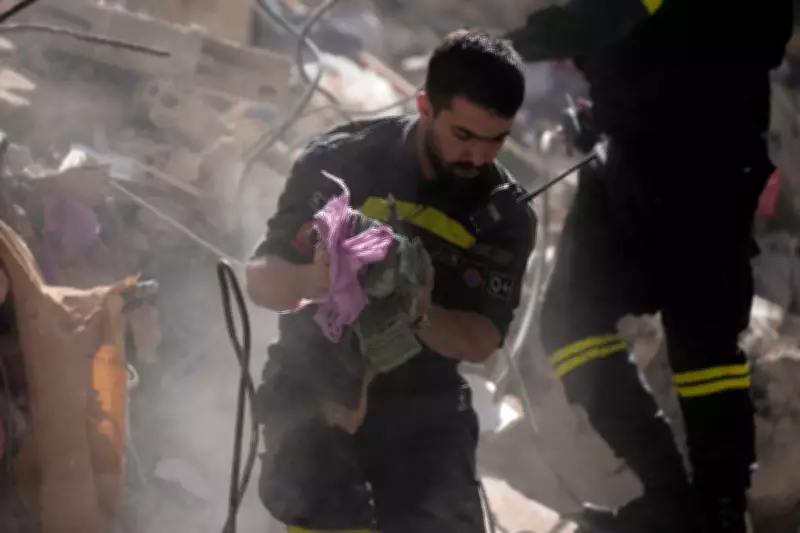
On Thursday, April 9, 2026, Israeli forces launched airstrikes that struck multiple locations in central Beirut, Lebanon, causing extensive damage to infrastructure and residential areas. According to reports from the Associated Press, rescue workers were seen recovering personal belongings, including money, from the wreckage of a building hit a day earlier, highlighting the human toll of the attacks. The strikes have intensified fears of a broader regional conflict, with both sides exchanging fire across the border in recent weeks.
The renewed violence comes after a period of relative calm, with tensions simmering over longstanding geopolitical disputes. Hezbollah, a Shiite militant organization backed by Iran, has been engaged in sporadic clashes with Israeli forces, but the latest escalation represents a significant uptick in hostilities. Israeli officials have stated that the airstrikes were in response to rocket attacks launched from Lebanese territory, targeting military installations and Hezbollah strongholds.

Humanitarian Crisis Unfolds
As the conflict rages on, humanitarian concerns are mounting. Local hospitals in Beirut are reportedly overwhelmed with casualties, and aid organizations are scrambling to provide medical supplies and shelter to displaced families. The destruction of buildings has left many residents homeless, adding to the already dire situation in a country grappling with economic instability and political turmoil.
Eyewitness accounts describe scenes of chaos and desperation, with rescue teams using heavy machinery to clear rubble and search for signs of life. The death toll from the airstrikes is still being assessed, but initial estimates suggest it is the highest single-day casualty count since the conflict reignited. International observers have called for an immediate ceasefire to prevent further loss of life and allow for humanitarian access.
Regional and Global Implications
The escalation between Israel and Hezbollah has raised alarms among global powers, with the United Nations and several countries urging restraint. The conflict threatens to destabilize the broader Middle East region, potentially drawing in other actors and exacerbating existing tensions. Analysts warn that without diplomatic intervention, the violence could spiral into a full-scale war, with devastating consequences for civilians on both sides.
In response to the airstrikes, Hezbollah has vowed retaliation, signaling that the cycle of violence may continue. The group's leadership has accused Israel of aggression and called for support from its allies, while Israeli authorities maintain that their actions are defensive measures against terrorist threats. The situation remains fluid, with both sides on high alert and the international community closely monitoring developments.
As rescue efforts persist in Beirut, the focus remains on saving lives and addressing the immediate humanitarian needs. The deadliest day of this renewed war underscores the urgent need for a peaceful resolution to prevent further tragedies in a region already scarred by conflict.