Devastating Storms and Floods Claim Over 220 Lives in Afghanistan and Pakistan
In a tragic series of natural disasters, severe storms and catastrophic floods have resulted in the deaths of more than 220 individuals across Afghanistan and Pakistan over the past three weeks. The relentless extreme weather events have caused widespread destruction, displacing communities and overwhelming local emergency response efforts.
Widespread Impact and Humanitarian Crisis
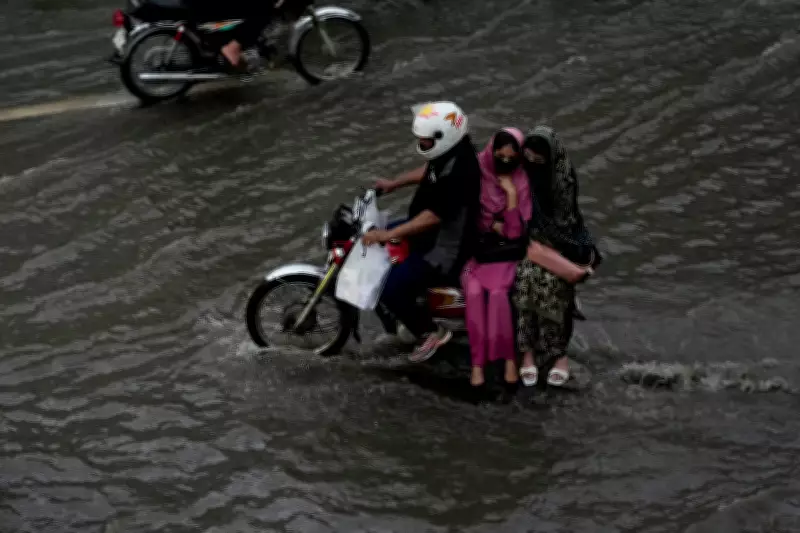
The flooding has been particularly devastating in urban and rural areas alike, with reports indicating significant damage to infrastructure, homes, and agricultural land. In Pakistan, heavy rainfall in cities such as Lahore has led to dangerous floodwaters, forcing residents to navigate submerged streets on motorcycles and other vehicles. The situation underscores the growing vulnerability of these regions to climate-related disasters.
Emergency services in both countries are struggling to cope with the scale of the crisis, as rescue operations continue in affected areas. The death toll is expected to rise as authorities assess remote regions that have been cut off by the floods. This disaster highlights the urgent need for enhanced disaster preparedness and climate resilience strategies in South Asia.

Climate Change and Regional Vulnerabilities
Experts point to climate change as a contributing factor to the increasing frequency and intensity of such extreme weather events. Afghanistan and Pakistan, with their diverse terrains and often fragile infrastructures, are especially susceptible to the impacts of heavy rainfall and flooding. The recent events serve as a stark reminder of the human cost of environmental changes and the importance of international cooperation in addressing climate-related challenges.
As recovery efforts begin, the focus shifts to providing aid to survivors and rebuilding communities. Humanitarian organizations are mobilizing resources to deliver food, shelter, and medical assistance to those affected. The long-term implications of these floods on local economies and public health remain a concern, with potential outbreaks of waterborne diseases and food shortages looming.
This tragedy emphasizes the critical need for proactive measures to mitigate the effects of climate change and protect vulnerable populations from future disasters. The international community is urged to support relief efforts and invest in sustainable development to enhance resilience in the face of an increasingly unpredictable climate.