High-stakes diplomatic efforts to end the ongoing conflict between Russia and Ukraine have reached a critical juncture, with land and security arrangements forming the core of contentious discussions. The parties are currently evaluating a peace proposal forwarded by the administration of U.S. President Donald Trump, which seeks to broker a lasting ceasefire and a political settlement.
The Core Stumbling Blocks: Territory and Guarantees
The most significant obstacles to a potential agreement revolve around two fundamental issues. First is the question of territorial control and borders. Disputed regions, including those annexed by Russia since 2014 and areas captured during the full-scale invasion, remain a primary point of contention. Any proposal must address the future status of these lands, a topic on which Kyiv and Moscow hold diametrically opposed positions.
Secondly, the framework for long-term security guarantees for Ukraine is a major sticking point. Ukrainian officials insist on robust, enforceable assurances from Western allies to deter future aggression. The specifics of these guarantees, including their legal form and the parties involved, are central to the negotiations.

Diplomatic Engagements and the Trump Proposal
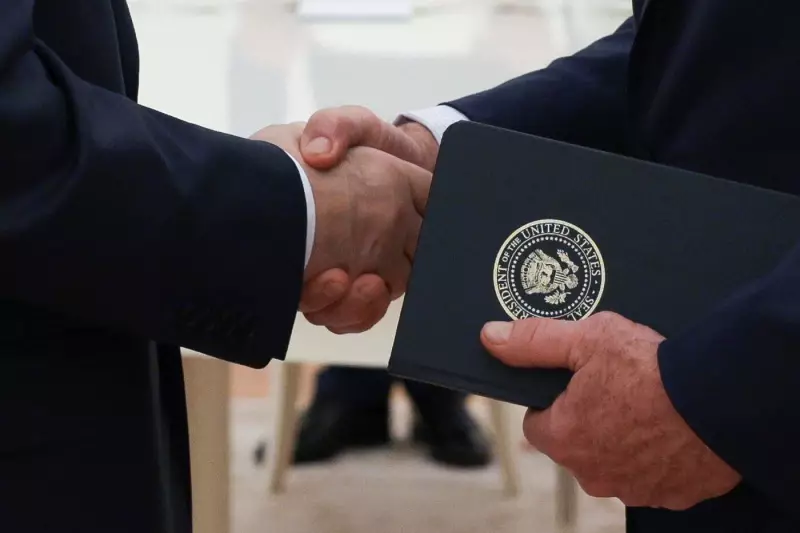
The peace initiative gained momentum following a high-level meeting in Moscow on August 6, 2025. U.S. President Donald Trump's special envoy, Steve Witkoff, met with Russian President Vladimir Putin at the Kremlin to discuss the pathway to negotiations. A photograph from the meeting, released by the Kremlin press service, showed the two shaking hands, signaling a direct channel of communication.
While the precise details of the Trump administration's proposal remain confidential, sources indicate it outlines a phased de-escalation, preliminary security measures, and a roadmap for talks on the final status of contested territories. The plan is reportedly now under formal consideration by both warring nations, though public statements from each side reflect deep-seated skepticism.
Broader Geopolitical Context and Challenges
The peace push occurs within a complex global landscape. Analysts note that any viable settlement must navigate not only the immediate military realities but also the broader geopolitical tensions between Russia and the West. The involvement of the United States as a primary mediator marks a significant shift in diplomatic strategy, differing from previous multilateral efforts.
Furthermore, the sustainability of any agreement hinges on internal political dynamics within Ukraine, Russia, and the United States. Public sentiment, legislative approval, and the willingness to implement difficult compromises will ultimately determine the success or failure of these nascent talks. For now, the world watches as diplomats grapple with the formidable challenges of land and security that stand between war and a fragile peace.