Russia Pledges Responsible Nuclear Stance as New START Treaty Nears Expiration
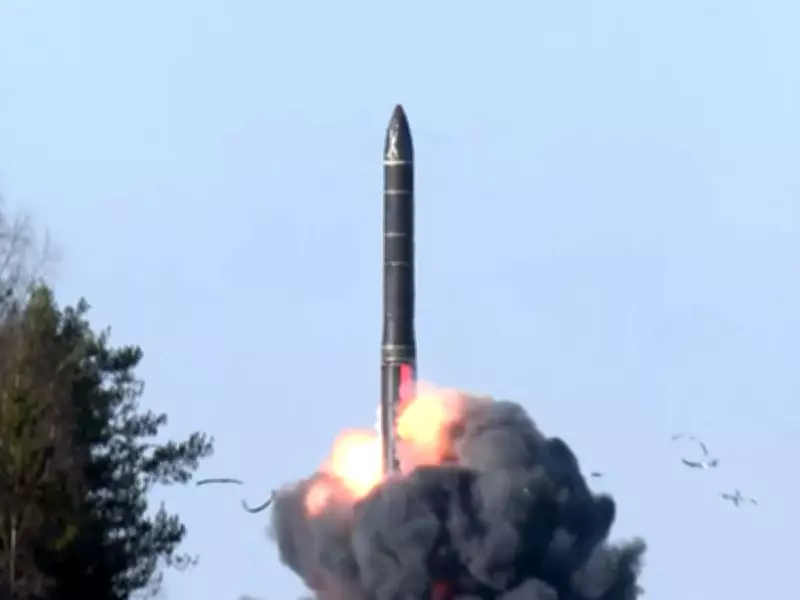
Russia has vowed to act "responsibly" should its last remaining nuclear arms control agreement with the United States expire on February 5, 2026. The impending lapse of the New START treaty has sparked mounting international fears that its collapse could trigger a dangerous new arms race between the world's two foremost nuclear powers.
Treaty Provisions and Expiration Implications
The New START agreement, originally signed in 2010 by then-Russian President Dmitry Medvedev and U.S. President Barack Obama, established crucial limitations on nuclear arsenals. The treaty restricted each side to 1,550 deployed strategic warheads, representing a significant reduction of nearly 30 percent from previous limits established in 2002. Additionally, the pact permitted mutual on-site inspections of nuclear facilities, although these verification measures were suspended during the COVID-19 pandemic and have not resumed.
With the treaty set to formally expire on Thursday, both Moscow and Washington would be released from these binding restrictions on their nuclear capabilities. Arms control advocates have issued stark warnings that allowing the agreement to lapse without replacement could unleash an unprecedented nuclear arms competition with global security implications.

Diplomatic Exchanges and Recent Developments
During a Wednesday telephone conversation with Chinese President Xi Jinping, Russian President Vladimir Putin affirmed through Kremlin aide Yuri Ushakov that Russia would "act in a measured manner and responsibly" should the treaty expire. This diplomatic assurance comes amid complex negotiations that have seen multiple proposals and counterproposals.
In September 2025, Putin offered to continue abiding by the treaty's warhead limits for an additional year, but according to Ushakov, Moscow received no formal response from Washington. While then-U.S. President Donald Trump initially characterized the proposal as sounding "like a good idea," subsequent negotiations failed to materialize.
Russia maintains that it remains "open to finding ways for dialogue and ensuring strategic stability," as Ushakov emphasized during a briefing with journalists. However, the diplomatic landscape has been complicated by Russia's 2023 decision to freeze its participation in the agreement, though Moscow claims it has continued to voluntarily adhere to the warhead limitations.
International Reactions and Concerns
The potential expiration has drawn concern from multiple international quarters. Pope Leo XIV urged both nations to do "everything possible" to avert a new arms race during his weekly general audience, emphasizing the importance of maintaining nuclear arms control instruments.
The International Campaign to Abolish Nuclear Weapons (ICAN) has called on both Russia and the United States to commit to honoring New START limits while negotiating a successor agreement. ICAN Executive Director Melissa Parke warned in a statement that "without New START, there is a real danger the new arms race will accelerate between the U.S. and Russia" with potential ripple effects encouraging other nuclear-armed states to expand their capabilities.
Adding to the sense of urgency, the Bulletin of the Atomic Scientists recently moved its symbolic "Doomsday Clock" closer to midnight than ever before, citing concerns that the treaty's expiration could initiate a dangerous arms escalation.
Diverging Perspectives on Responsibility
International perspectives on responsibility for the treaty's potential lapse vary significantly. A German foreign ministry spokesperson attributed the situation to Russia, stating that the United States "had repeatedly reached out" about extending the agreement while Moscow failed to respond substantively.
As the expiration deadline approaches, the international community watches closely to see whether diplomatic efforts can prevent what many experts fear could become a destabilizing new chapter in nuclear arms competition between two global powers with the capacity to alter the strategic balance worldwide.