New Historical Account Identifies Italian Volunteers as Primary Snipers in Sarajevo Siege
A recently published book has made a startling claim regarding one of the most harrowing aspects of the Bosnian War, asserting that the majority of so-called 'weekend snipers' who terrorized the civilian population of Sarajevo during the 1990s siege were actually Italian nationals. This revelation adds a significant international dimension to our understanding of the conflict's brutality.
Unpacking the 'Weekend Sniper' Phenomenon
The term 'weekend snipers' refers to individuals, often foreign volunteers or mercenaries, who would reportedly travel to conflict zones like Bosnia for short periods to engage in sniper activities before returning home. According to the new historical analysis, Italian citizens constituted the largest contingent among these irregular combatants operating in and around Sarajevo.
This finding challenges previous assumptions about the composition of sniper units during the 1,425-day siege of Sarajevo, which stands as the longest blockade of a capital city in modern warfare. The book meticulously documents how these Italian volunteers integrated with local forces and the tactical impact of their involvement.

Broader Implications for Understanding the Bosnian War
The research highlights several critical aspects of international involvement in the Balkan conflicts:
- The flow of foreign fighters to the region was more extensive than previously documented
- Italian participation in the siege represents a little-examined facet of European involvement
- The psychological warfare tactics employed against Sarajevo's civilians had multinational contributors
The book's authors have compiled extensive archival evidence, including military records, personal testimonies, and photographic documentation, to support their conclusions about the prominence of Italian snipers. This research contributes to the ongoing historical reassessment of the Bosnian War's complex international dimensions.
Contextualizing the Sarajevo Siege
During the nearly four-year siege that began in 1992, Sarajevo's residents endured constant sniper fire and artillery bombardment. Civilian areas, including markets, schools, and hospitals, were regularly targeted, resulting in thousands of casualties among non-combatants. The revelation about Italian snipers provides new perspective on how external actors participated in this urban warfare.
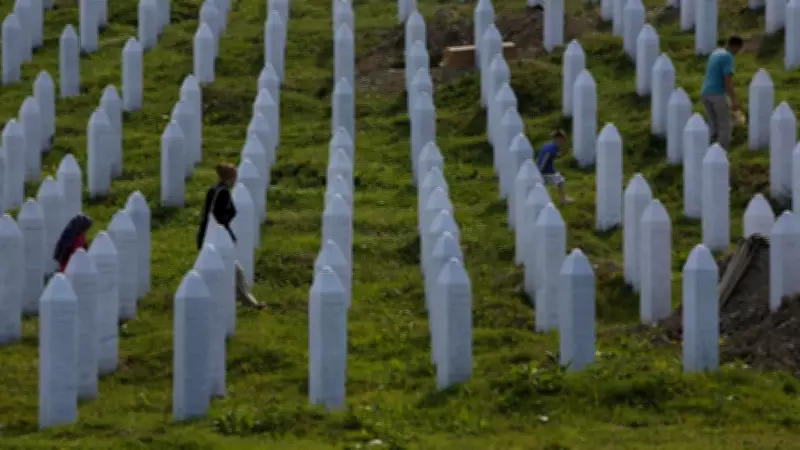
The publication arrives as Bosnia continues to grapple with the legacy of the 1990s conflicts, with ongoing efforts at reconciliation and memorialization. The Potocari memorial center near Srebrenica, referenced in related coverage, serves as one of many sites where Bosnians remember the war's victims.
This new historical account underscores how the Bosnian War attracted participants from across Europe and highlights the need for continued examination of all aspects of this devastating conflict that reshaped the Balkan region and international humanitarian law.