Israeli Military Confirms Elimination of Two Senior Iranian Officials in Airstrikes
In a significant escalation of hostilities in the Middle East, Israel has officially confirmed conducting airstrikes that resulted in the deaths of two top Iranian officials. The announcement, made on March 17, 2026, marks a direct and lethal confrontation between the two longstanding adversaries, further destabilizing an already volatile region.
Details of the Targeted Strikes
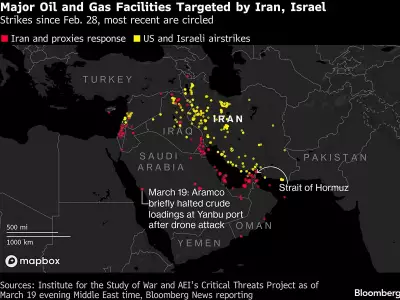
The Israeli military stated that the precision airstrikes successfully targeted and eliminated the Iranian officials, though specific names and positions have not been publicly disclosed at this time. This action follows a period of heightened tensions, with Iran recently leveraging its strategic control over the Strait of Hormuz, a critical global oil shipping choke point, to apply pressure on the United States and its allies.
The timing of these strikes coincides with mounting international concern over the broader Iran conflict, which is already fueling global economic uncertainty. Reports indicate that gas prices have surged in regions like Metro Vancouver, reflecting market anxieties about potential disruptions to oil supplies from the Persian Gulf.

Regional and Global Repercussions
Iran's threats to the Strait of Hormuz have prompted strong responses from global leaders. Former U.S. President Donald Trump has reiterated demands for allied nations to assist in securing the strait to ensure the free flow of maritime traffic. Meanwhile, Canadian Defence Minister McGuinty emphasized that Canada "will not be engaging offensively in this war," though the country is "leaving the door open" to provide non-combat assistance in the Middle East.
Political figures, including Mark Carney and Keir Starmer, have expressed "deep concern" over the Iran war, noting its disruptive impact on international shipping routes. The conflict is exacerbating existing geopolitical strains, with nations worldwide monitoring the situation closely for implications on energy security and economic stability.
Broader Context of Escalating Conflict
The airstrikes occur against a backdrop of other regional incidents, including suspected suicide bombings in Nigeria that killed 23 people, though these events are not directly linked to the Iran-Israel confrontation. The Middle East tensions are contributing to a complex global landscape, where military actions have immediate and far-reaching consequences.
As the situation develops, key points to watch include:
- Iran's potential retaliatory measures following the loss of its officials.
- International efforts to secure the Strait of Hormuz and mitigate oil supply disruptions.
- The humanitarian and economic fallout from prolonged conflict in the region.
This incident underscores the fragile state of Middle Eastern geopolitics, where targeted military strikes can rapidly alter the dynamics of international relations and global markets. The world now awaits further responses from Iran and its allies, with the potential for increased military engagements or diplomatic interventions to prevent a wider war.