Israel Targets Iran's Security Forces and Leadership as Regional Conflict Intensifies
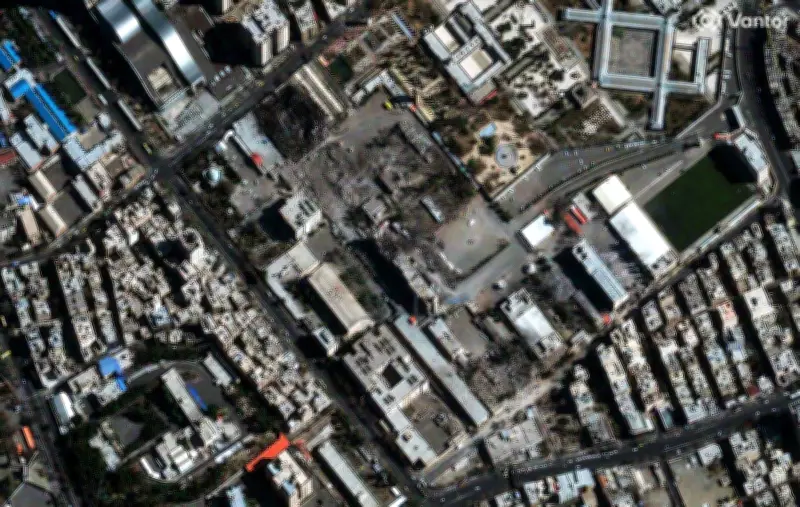
In a significant escalation of hostilities, Israel has launched targeted strikes against Iran's security forces and leadership structures, according to recent reports. This development comes as Iran continues to press attacks across multiple regions, heightening tensions in an already volatile Middle East.
Military Actions and Regional Implications
The Israeli strikes represent a direct challenge to Iran's military capabilities and command hierarchy. Security analysts note that these actions mark a shift toward more aggressive posturing by Israel, potentially in response to Iran's sustained campaign of regional aggression. Meanwhile, Iran has maintained its offensive operations, targeting various locations throughout the Middle East with increasing frequency and intensity.
The conflict has drawn international attention, with concerns mounting about the potential for broader regional destabilization. Observers warn that the tit-for-tat nature of these attacks could spiral into a more extensive confrontation, affecting global security and economic stability.

Political Context and International Reactions
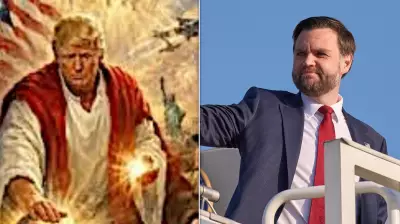
The timing of these developments coincides with political statements from various international figures. Former U.S. President Donald Trump has made claims about Iran's military being crippled, despite contradictory assessments from his own advisors. Trump remarked on the initial attacks against Iran, stating, "It's something that had to be done," while other political figures have commented on the decision-making process behind U.S. strikes.
Retired Major General Clancy has suggested that Iran possesses the capacity to continue the conflict in the Middle East for "as long as they want," highlighting the persistent nature of the threat. These statements underscore the complex political landscape surrounding the conflict, with various stakeholders offering differing perspectives on Iran's military capabilities and intentions.
Economic and Global Ramifications
The escalating conflict has already begun to impact global markets, with oil prices experiencing significant volatility. Recent reports indicate a 4.7 percent jump in oil prices, settling at their highest levels since January 2025, directly attributed to fears surrounding the Middle East conflict. Stock markets have also reacted negatively, with the S&P/TSX composite tumbling 2 percent amid growing war anxieties.
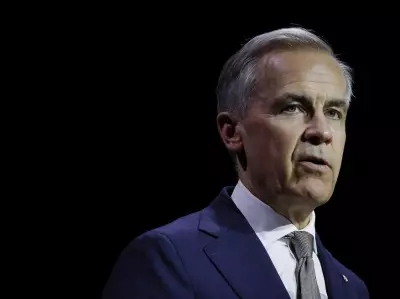
Canada's Prime Minister Carney has acknowledged supporting U.S.-Israel strikes on Iran "with regret," reflecting the delicate diplomatic balancing act many nations face. The international community remains watchful as the situation develops, with particular attention on strategic locations like the Strait of Hormuz, a critical chokepoint for global oil shipments.
Security Concerns and Future Outlook
As the conflict escalates, security experts warn of potential spillover effects, including increased cyber threats and regional instability. Intelligence agencies have advised nations to brace for possible cyberattacks, while military readiness questions have emerged in light of the rapidly evolving situation.
The ongoing confrontation between Israel and Iran represents one of the most significant security challenges in the Middle East today. With both sides demonstrating willingness to engage in direct and proxy conflicts, the path toward de-escalation remains uncertain. The international community continues to monitor developments closely, hoping to prevent further deterioration of an already tense regional landscape.