Israel Announces Strike That Killed Top Iranian Security Official Ali Larijani
In a significant escalation of hostilities in the Middle East, Israel has publicly claimed responsibility for a military strike that resulted in the death of Ali Larijani, a high-ranking Iranian security official. The announcement, made on March 17, 2026, marks a bold move by Israel amid ongoing regional conflicts that have disrupted global shipping routes and fueled international uncertainty.
Details of the Strike and Its Implications
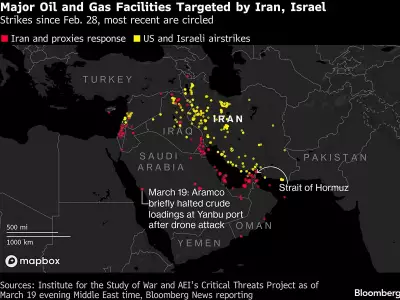
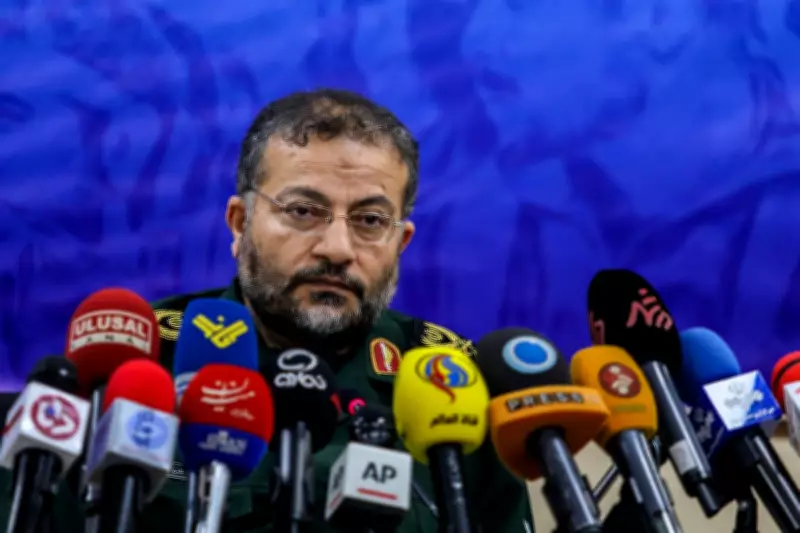
The strike targeted Larijani, who held a key position in Iran's security apparatus, though specific details about the location or method of the attack remain undisclosed by Israeli authorities. This action comes as tensions between Israel and Iran have intensified, with previous incidents involving paramilitary forces and proxy groups across the region. Analysts suggest that the killing could provoke retaliatory measures from Iran, potentially exacerbating the already volatile situation in the Middle East.
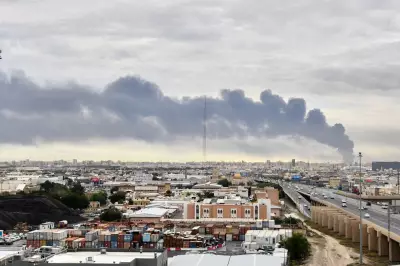
Global reactions have been mixed, with some nations expressing deep concern over the escalation, while others monitor the impact on oil prices and economic stability. The conflict has already contributed to surging gas prices in regions like Metro Vancouver, highlighting how Middle Eastern instability can ripple through global markets.

Broader Context of Regional and International Dynamics
This development occurs against a backdrop of broader geopolitical maneuvering. For instance, Canadian officials have stated they are "leaving the door open" to assist in the Middle East but have no immediate plans for offensive engagement. Meanwhile, political figures in other countries, such as the UK's Keir Starmer and former Bank of England governor Mark Carney, have shared "deep concern" over the war's disruption to shipping routes, which are critical for international trade.
The strike on Larijani underscores the fragile state of Middle Eastern diplomacy, where military actions often precede diplomatic efforts. It also raises questions about the future of regional security, as Iran may seek to bolster its paramilitary forces, like the Basij, in response. Historically, such escalations have led to prolonged conflicts, affecting not only the involved nations but also global economic indicators and energy sectors.
Potential Consequences and Ongoing Monitoring
Experts warn that this event could lead to increased military posturing from both sides, with possible implications for cybersecurity, defense strategies, and international alliances. The situation is being closely watched by governments worldwide, as any further escalation could impact everything from oil supplies to humanitarian crises in the region.
In summary, Israel's admission of the strike that killed Ali Larijani represents a pivotal moment in the ongoing Iran-Israel conflict, with far-reaching consequences for regional stability and global affairs. As developments unfold, the international community remains on alert for potential fallout.