Israel Announces Elimination of High-Ranking Iranian Official Amid Escalating Hostilities
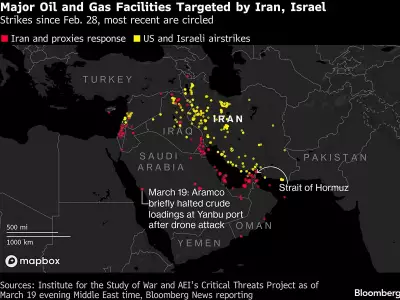
In a significant escalation of the ongoing Middle East conflict, Israel has reported the killing of another senior Iranian official. This development comes as Iranian military actions have resulted in the deaths of two individuals near Tel Aviv, marking a dangerous intensification of regional hostilities.
Targeted Strike Claims Another Iranian Leader
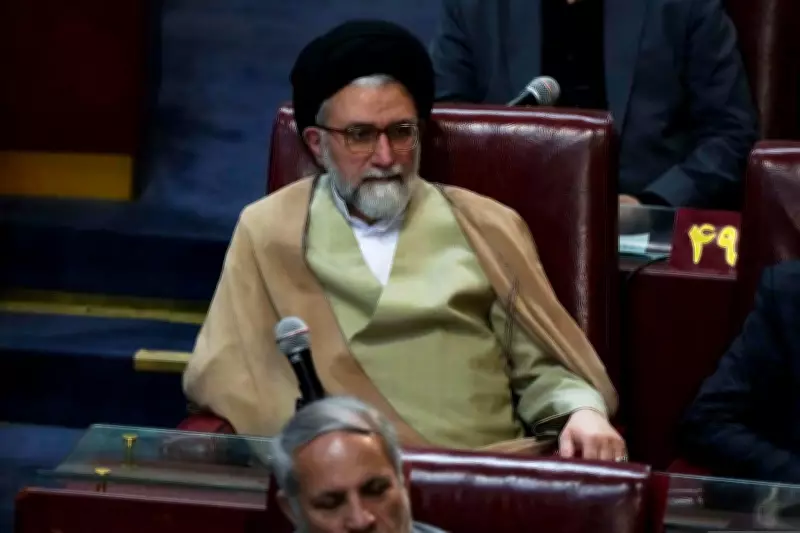
Israeli authorities confirmed the operation that led to the death of a top Iranian official, whose identity has not been publicly disclosed for security reasons. This action represents a continuation of Israel's targeted campaign against Iranian leadership figures involved in regional operations. The strike underscores the deepening confrontation between the two nations, which has been characterized by a series of covert and overt military engagements across the Middle East.
Iranian Retaliation Results in Civilian Casualties
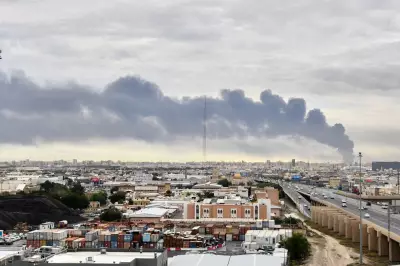
In response to the Israeli operation, Iranian forces launched attacks that killed two people near Tel Aviv. The strikes have raised concerns about the potential for further civilian casualties as the conflict expands. Israeli defense systems were activated, but the attacks succeeded in causing fatalities, highlighting the vulnerabilities in urban defense networks.

The situation remains volatile, with both sides demonstrating a willingness to engage in direct military actions. The Iranian government has vowed to continue its response, while Israeli officials have reaffirmed their commitment to targeting threats posed by Iranian operatives.
Regional and International Implications
The latest exchanges have significant implications for regional stability. Neighboring countries are monitoring the situation closely, fearing the conflict could spill over borders. International observers have expressed alarm at the rapid escalation, calling for diplomatic interventions to prevent a full-scale war.
Analysts note that the killing of a senior Iranian official represents a strategic move by Israel to disrupt Iranian military planning and operations. However, the immediate retaliation demonstrates Iran's capacity to respond swiftly, setting the stage for a potentially prolonged cycle of violence.
Background of the Conflict
The Israel-Iran conflict has deep roots, with both nations engaged in a protracted shadow war across the Middle East. Key points of contention include:
- Iran's support for proxy groups in Syria, Lebanon, and Yemen
- Israel's repeated strikes on Iranian assets and personnel in Syria
- Ongoing nuclear negotiations and regional influence struggles
- Recent escalations in direct military engagements
The latest incidents represent a dangerous shift toward more overt and direct confrontations, moving beyond proxy warfare to targeted strikes against high-value individuals on both sides.
Humanitarian Concerns and Civilian Impact
As military actions intensify, humanitarian organizations have raised concerns about the impact on civilian populations. The attacks near Tel Aviv have brought the conflict closer to urban centers, increasing risks for non-combatants. Both nations face mounting pressure to consider the humanitarian consequences of their military strategies.
The international community continues to watch developments with growing apprehension, recognizing that further escalation could have devastating consequences for regional stability and global security.