Israel Eliminates Third Senior Iranian Official in Escalating Conflict
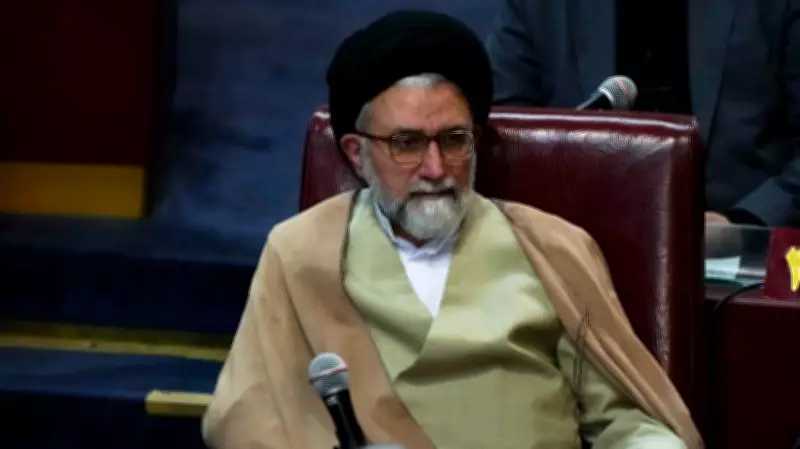
Israeli forces confirmed on Wednesday they had killed Iranian Intelligence Minister Esmail Khatib, marking the third high-ranking Iranian official eliminated within just two days. This development comes as Iran launched retaliatory missile strikes across the Persian Gulf region and into Israel, resulting in two fatalities near Tel Aviv and demonstrating the intensifying nature of the Middle East conflict.
Israeli Strikes Target Iranian Leadership
Israeli Defense Minister Israel Katz announced Khatib's death following an overnight strike, promising "significant surprises are expected throughout this day on all fronts" without providing further details. Iran has not yet officially confirmed Khatib's demise. This follows Tuesday's elimination of top Iranian security official Ali Larijani and General Gholam Reza Soleimani, head of the Revolutionary Guard's Basij paramilitary force.
Khatib, who had been sanctioned by the United States in 2022 over alleged cyber activities against U.S. interests, was a key figure in Iran's intelligence apparatus. Larijani served as a senior policy adviser to the late Supreme Leader Ali Khamenei on nuclear negotiations and faced U.S. sanctions for his role in suppressing nationwide protests.

Iranian Retaliation and Regional Attacks
In response to Larijani's killing, Iran's Revolutionary Guard launched multiple-warhead missiles toward central Israel on Wednesday. These advanced weapons systems, including Khorramshahr-4 and Qadr missiles, are designed to evade air defense systems and overwhelm radar tracking capabilities. The attack resulted in two deaths in Ramat Gan, east of Tel Aviv.
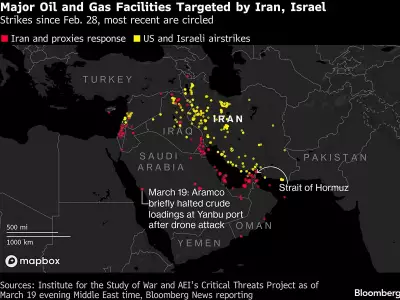
Iran simultaneously expanded its offensive across the Persian Gulf region, targeting:
- Saudi Arabia's Eastern Province oil fields
- Kuwait, Bahrain, Qatar, and the United Arab Emirates
- Western military facilities including Australia's base near Dubai
Saudi Arabia successfully intercepted a ballistic missile targeting the Prince Sultan Air Base, which hosts American forces, while also neutralizing two drones aimed at Riyadh's diplomatic quarter containing the U.S. Embassy.
Lebanon Under Sustained Pressure
Israel maintained intense military pressure on Lebanon, conducting strikes targeting Iran-backed Hezbollah militants. Multiple apartment buildings in Beirut were hit, resulting in at least a dozen casualties. Israeli forces claimed one targeted building contained "millions of dollars intended to finance Hezbollah's activities," though they provided no evidence.
The Lebanese Health Ministry reported ten fatalities from Israeli airstrikes in central Beirut, with two additional deaths in the western Bekaa valley. According to Lebanese government figures, Israeli strikes have displaced over 1 million people (approximately 20% of Lebanon's population), with 912 killed and 2,221 wounded since the conflict began.
Nuclear Facility Incident and Global Energy Concerns
The International Atomic Energy Agency confirmed Iran's Bushehr nuclear power plant complex was struck by a projectile overnight, though no injuries or significant damage occurred. IAEA chief Rafael Grossi reiterated calls for "maximum restraint during the conflict to prevent risk of a nuclear accident."
Iran continues its strategic pressure on global energy markets, maintaining control over the Strait of Hormuz where approximately one-fifth of the world's oil transits. This has raised growing concerns about potential global energy crises as Brent crude oil prices remained stubbornly above $100 per barrel in early Wednesday trading, representing a more than 40% increase since the conflict began on February 28.
Additional Developments and Casualty Figures
Iran executed Kourosh Keyvani on charges of spying for Israel's Mossad intelligence agency, according to judicial reports. The execution follows warnings from activists about potential mass executions after Iran's violent suppression of nationwide protests earlier this year.
Casualty figures continue to mount across the region:

- More than 1,300 people killed in Iran since February 28 (Iranian Red Crescent)
- 14 Israeli fatalities from Iranian missile fire
- At least 13 U.S. military members killed
- Additional casualties in Lebanon and across the Gulf region
The U.S. Embassy in Baghdad came under fire for the second consecutive day, with pro-Iran militia groups regularly attacking American targets in Iraq since the conflict's inception. Meanwhile, Iran maintains its stranglehold on the Strait of Hormuz, allowing only select vessels through while blocking U.S. and allied shipping.