Middle East Tensions Surge Following Israeli Strike on Iranian Commander
In a significant escalation of regional hostilities, Israel has confirmed the targeted killing of the head of the Iranian Revolutionary Guard's naval forces. This action has prompted a sharp hardening of positions from both Iran and the United States, with Washington deploying additional military personnel to the Middle East in a move analysts describe as a potent show of force.
A Calculated Strike and Its Immediate Fallout
The Israeli military operation, which successfully eliminated the senior Iranian naval commander, represents a direct and provocative challenge to Tehran's military apparatus. Iran has vowed a decisive response, framing the attack as an act of aggression that will not go unanswered. Concurrently, the United States has reinforced its military footprint in the region, a strategic decision interpreted by observers as a clear signal of support for its allies and a deterrent against further Iranian retaliation.
The deployment of U.S. forces raises critical questions about the potential for a broader regional conflict. While officially characterized as a defensive and stabilizing measure, the troop movement is seen by many as a live demonstration of geopolitical strategy, heightening the stakes in an already volatile arena.

Broader Implications for Global Stability
This incident occurs against a backdrop of prolonged friction between Iran, Israel, and Western powers. The assassination of such a high-ranking military figure is likely to disrupt Iranian naval operations and could trigger a cycle of retaliatory actions. The U.S. military reinforcement further complicates the diplomatic landscape, potentially limiting avenues for de-escalation.
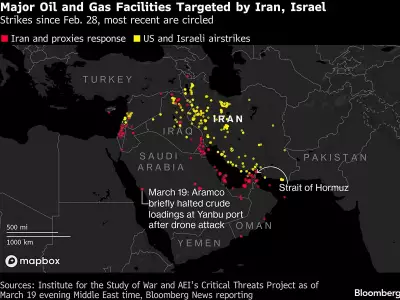
International markets and diplomatic channels are closely monitoring the situation, as any sustained conflict in the Middle East carries profound implications for global energy security, economic stability, and international relations. The hardening of stances by all major players suggests a precarious period ahead, with the risk of miscalculation or unintended escalation remaining dangerously high.
The coming days will be crucial in determining whether this event leads to a contained bilateral dispute or spirals into a more extensive confrontation involving multiple state actors. The world watches as military posturing and diplomatic rhetoric intensify in one of the globe's most strategically sensitive regions.