In a significant escalation of hostilities in the Middle East, Israeli military forces conducted a targeted strike on a major petrochemical facility located within Iran's South Pars gas field. The attack, confirmed by regional security sources, occurred as diplomatic channels buzzed with activity, with international mediators floating a new ceasefire proposal aimed at halting the cycle of violence.
Targeting Critical Infrastructure
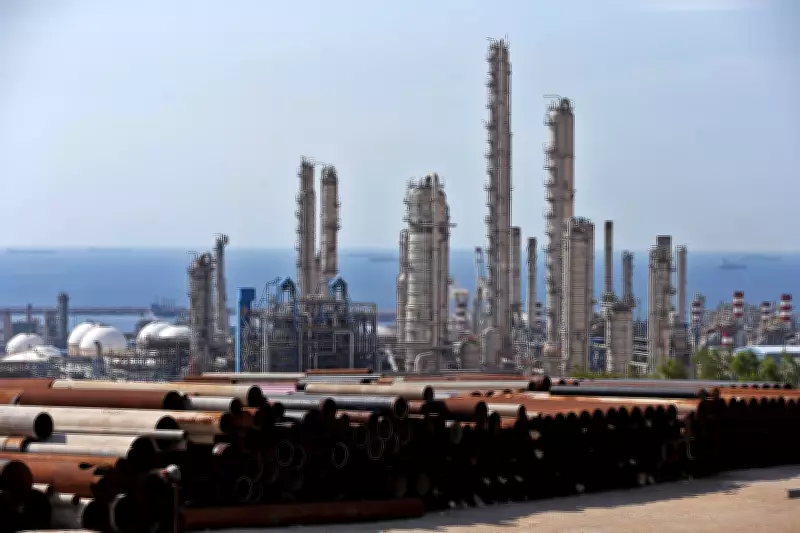
The South Pars gas field, situated on the northern coast of the Persian Gulf near Asalouyeh, represents one of Iran's most vital energy assets. It is the world's largest natural gas field, shared with Qatar, and its petrochemical complexes are crucial to Iran's economy and industrial output. The Israeli strike specifically hit a petrochemical plant within this complex, causing substantial damage to infrastructure and raising fears of further economic disruption in the region.
Diplomatic Efforts Intensify
Concurrently, mediators from several nations have been actively working behind the scenes to propose a new ceasefire framework. This initiative seeks to de-escalate tensions and prevent a broader regional conflict. The proposal includes provisions for a temporary halt to hostilities, the establishment of humanitarian corridors, and the initiation of direct talks between the involved parties.

Analysts suggest that the timing of the strike may be intended to strengthen Israel's negotiating position, demonstrating military capability while talks are underway. However, it also risks undermining diplomatic efforts by provoking retaliatory measures from Iran.
Regional and Global Implications
The attack on South Pars has immediate implications for global energy markets. Iran is a major player in the oil and gas sector, and any disruption to its production capacity can lead to volatility in prices. Following the strike, oil prices experienced fluctuations as traders assessed the potential for supply chain interruptions.
Furthermore, the incident underscores the fragile security landscape in the Middle East, where proxy conflicts and direct confrontations have become increasingly common. The involvement of international mediators highlights the global concern over the stability of the region, with many nations calling for restraint and a return to dialogue.
Historical Context and Future Prospects
The South Pars gas field has long been a point of contention and pride for Iran, symbolizing its energy independence and economic aspirations. Previous tensions have seen the facility as a potential target in geopolitical standoffs, making this strike a particularly provocative move.
Looking ahead, the success of the new ceasefire proposal will depend on the willingness of both Israel and Iran to engage in good faith negotiations. Key challenges include:
- Addressing security concerns on both sides
- Ensuring the protection of civilian infrastructure
- Building trust through verifiable de-escalation measures
As the situation develops, the international community remains watchful, hoping that diplomacy can prevail over further military actions. The coming days will be critical in determining whether this latest escalation leads to a renewed push for peace or deeper conflict.