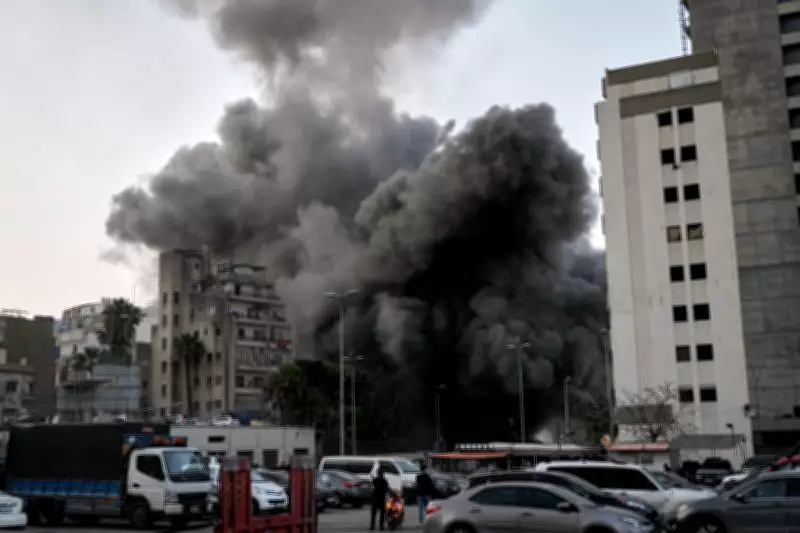
Israel Claims Targeted Strikes Eliminated Senior Iranian Nuclear Scientists
In a significant escalation of Middle East tensions, Israeli authorities have announced military strikes that reportedly killed top Iranian nuclear scientists. The operations, conducted amid ongoing regional conflict, target key figures in Iran's nuclear program, raising international concerns about proliferation and regional stability.
Regional Conflict Intensifies with Strategic Attacks
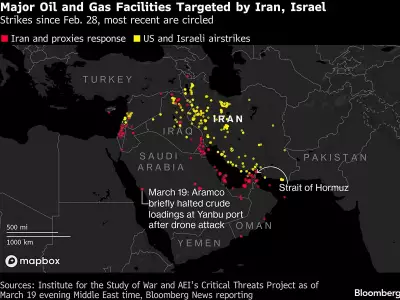
The strikes occurred as multiple flashpoints erupted across the Middle East. Iranian forces attacked oil tankers in the Persian Gulf, setting vessels ablaze and threatening critical shipping lanes. Meanwhile, U.S. Central Command released video footage showing aircraft being destroyed in Iran, though specific details about the engagement remain classified.
Retired U.S. Navy Seal Commander warned that any potential Iran-U.S. conflict would likely be "a longer game than people are realizing," suggesting protracted military engagement rather than quick resolution. The deteriorating situation has prompted Canadian officials to advocate for humanitarian approaches in de-escalation discussions.

Global Economic Ramifications Begin to Surface
The conflict's economic impact is already materializing worldwide. TotalEnergies reported a 15% reduction in output due to the U.S.-Iran war, confirming additional outages in the United Arab Emirates. Energy analysts warn of continued upward pressure on gasoline prices, particularly affecting regions like the Greater Toronto Area where consumers face rising fuel costs.
Global trade negotiations face new complications as the U.S. ambassador acknowledged headwinds in discussions with Canada. The broader economic deterioration places additional pressure on international leaders navigating the crisis.
Security and Intelligence Operations Expand
Border security incidents have increased alongside the military conflict. Canadian border agents in British Columbia seized cocaine from a truck transporting U.S. alcohol, while RCMP arrested three Canadians at an Ontario land border crossing with fake passports. These incidents suggest heightened security measures and potential exploitation of border vulnerabilities during times of international tension.
Domestically, political debates about security powers have intensified. A new Liberal bill seeks to grant police expanded authority to access digital information, while Conservatives introduced legislation creating "stand your ground" provisions for home invasions. These policy discussions occur as details of a federal spending review are expected in coming days.
Broader Implications for International Relations
The conflict's ripple effects extend beyond immediate military engagements. U.S. Treasury Secretary plans to meet China's vice-premier in Paris ahead of former President Trump's scheduled visit to Beijing, suggesting diplomatic efforts to manage economic fallout. Meanwhile, Canada's top exchange is pushing to eliminate quarterly reporting requirements for all firms, potentially responding to economic uncertainty created by the conflict.
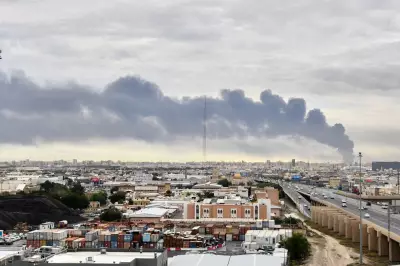
As smoke continued to billow from damaged oil tankers in the Strait of Hormuz, international observers monitored whether the targeted strikes against Iranian nuclear scientists represent a strategic escalation or calculated containment measure in the volatile region.