Iran's Security Chief Ali Larijani Assassinated by Israel in Escalating Conflict
In a significant escalation of hostilities, Iran's government confirmed on Tuesday that its security chief, Ali Larijani, was killed by Israel. This marks the most senior figure targeted since the first day of the U.S.-Israeli war on Iran, which has rapidly expanded into a regional conflict with no signs of abating. The confirmation came from Iran's Supreme National Security Council, which Larijani led as secretary, and also reported the deaths of his son and deputy, Alireza Bayat, in the same attack on Monday night.
Larijani's Role and Iran's Leadership Dynamics
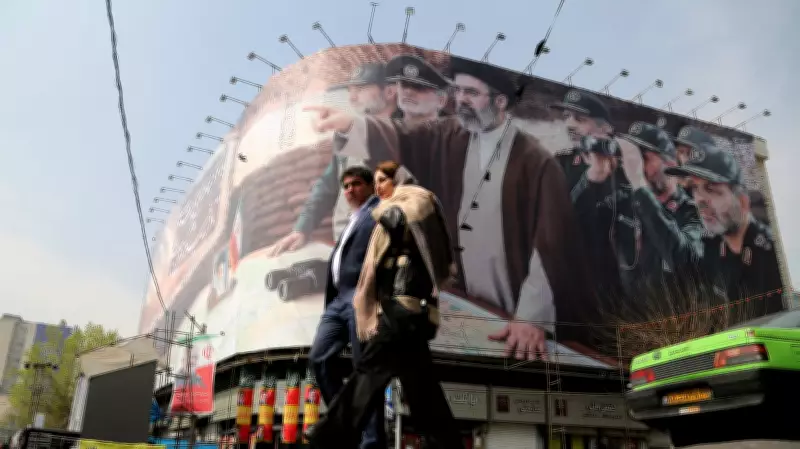
Ali Larijani was widely regarded as one of Iran's most powerful figures, serving as a close confidant to the slain Supreme Leader Ayatollah Ali Khamenei and his son and successor, Mojtaba Khamenei. Known for his pragmatic approach to relations with other factions within Iran's ruling system and foreign diplomats, Larijani's assassination represents a major blow to Iran's security apparatus. His death underscores the intensifying nature of the conflict, which began on February 28 and has since drawn in multiple nations across the Middle East.
New Supreme Leader Rejects De-escalation Offers
In a move that further complicates efforts to reduce tensions, a senior Iranian official revealed that Mojtaba Khamenei, Iran's new supreme leader, has rejected proposals for de-escalation or a ceasefire with the United States. These offers were conveyed to Iran's Foreign Ministry by intermediary countries. According to the official, who requested anonymity, Khamenei stated during his first foreign-policy meeting since his appointment that peace is not feasible until the United States and Israel are defeated and provide compensation. It remains unclear whether Khamenei attended this meeting in person or remotely, as he has not yet made public appearances since assuming the role last week.

Impact on Global Oil Markets and Regional Stability
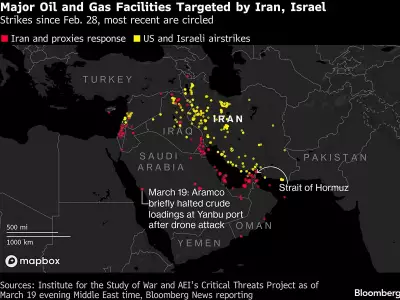
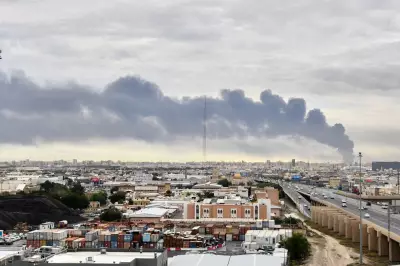
The Strait of Hormuz, a critical transit point for approximately one-fifth of global oil trade, remains largely closed due to Iran's threats to attack tankers linked to the U.S. and Israel. This closure has contributed to a surge in oil prices, which rose about 3% on Tuesday following renewed Iranian strikes on oil facilities in the United Arab Emirates. Since the war's inception, oil prices have increased by around 45%, raising concerns about a potential spike in global inflation. The World Food Programme has warned that tens of millions of people could face acute hunger if the conflict persists through June.
U.S. and Israeli Actions in the Conflict
The United States has faced criticism for its involvement in the war, with shifting rationales and legal justifications. This was highlighted by the resignation of Joseph Kent, head of the U.S. National Counterterrorism Center, who stated in his resignation letter to President Donald Trump that Iran posed no imminent threat to the nation. Meanwhile, Israel has targeted other high-profile Iranian officials, including Gholamreza Soleimani, who led the Basij militia. Israeli Prime Minister Benjamin Netanyahu publicly acknowledged these actions, indicating a continued aggressive stance.
Human Toll and Regional Attacks
The conflict has resulted in significant casualties on both sides. In Israel, air raid sirens sounded in Tel Aviv and surrounding areas, with a recent Iranian missile attack killing a man and a woman in Ramat Gan, bringing Israel's death toll to at least 14. Iran has repeatedly targeted Tel Aviv with missiles, including cluster munitions that are difficult to intercept. On the other side, reports indicate over 3,000 deaths in Iran and more than 900 in Lebanon since Israel began attacks there on March 2. Gulf Arab states, such as the UAE, have also endured over 2,000 missile and drone attacks on various targets.

International Reactions and Diplomatic Challenges
President Donald Trump has expressed frustration with U.S. allies, including NATO countries, Japan, Australia, and South Korea, for their reluctance to provide military assistance. He described their position as a "very foolish mistake," asserting that the U.S. no longer needs their help due to perceived military success. European Union foreign policy chief Kaja Kallas emphasized the need for diplomatic solutions to keep the Strait of Hormuz open, warning of potential crises in food, fertilizers, and energy if the conflict continues.
As the war enters its fourth week, with no clear end in sight, the assassination of Ali Larijani and Iran's firm rejection of peace talks signal a deepening crisis that threatens to destabilize the entire region and impact global economies.