Iran's Potential New Tanker War: Weapons and Strategies in the Strait of Hormuz
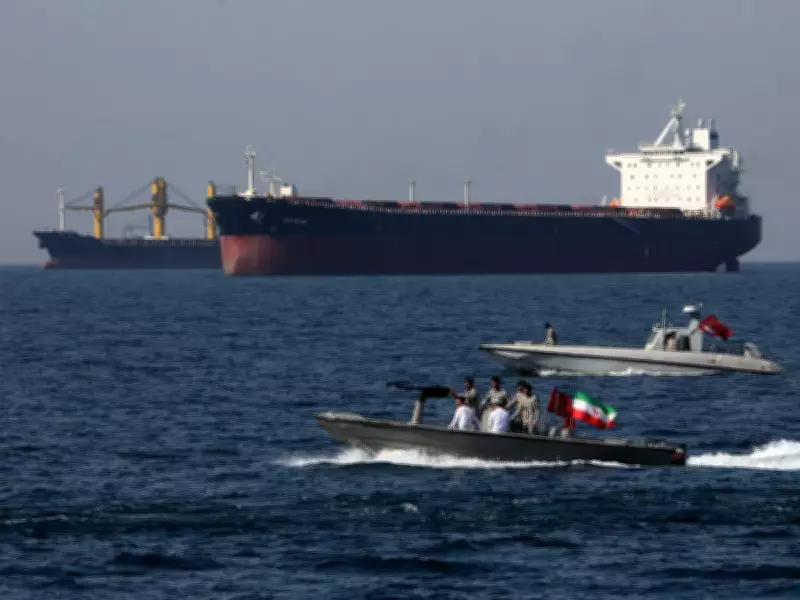
Recent attacks in the Strait of Hormuz have sparked fears of a renewed "tanker war," echoing the 1980s conflict between Iran and Iraq. As tensions escalate following U.S. and Israeli strikes on Iran, Tehran's military capabilities pose a significant threat to commercial shipping in this critical waterway, which handles one-third of global seaborne oil trade and one-fifth of liquefied natural gas exports.
Historical Context: The 1980s Tanker War
During the Iran-Iraq war in the 1980s, both nations deployed mines across the Strait of Hormuz and the Persian Gulf, while attacking tankers with French-made Exocet and Chinese Silkworm missiles. This conflict forced Kuwaiti vessels to reflag as American and drew 35 U.S. warships into escort operations to ensure oil continued flowing through the region.
Current Escalation and Iranian Capabilities
Since recent attacks on Iran, Iranian forces have warned vessels against passing through the strait, creating a virtual halt in marine traffic. At least six tankers have been hit in the Gulf since hostilities began, with additional attacks on energy infrastructure in Qatar and Saudi Arabia causing oil prices to surge dramatically.

Iran's arsenal for potential attacks includes:
- Fast inshore attack craft and speedboats armed with rockets
- Small missiles capable of targeting commercial vessels
- Anti-ship missiles and drone capabilities
- Mining operations in strategic waterways
U.S. Response and Escort Proposals
President Donald Trump announced that the U.S. Navy would escort tankers through the strait "if necessary," with the U.S. Development Finance Corporation offering risk insurance and guarantees for Gulf-bound tankers. However, oil prices fell only slightly following this announcement, with experts questioning the plan's feasibility and timing.
Helima Croft, a former CIA analyst now at RBC Capital Markets, dismissed Trump's proposal as "likely in the concepts-of-a-plan stage," while naval warfare experts noted that destroyers and jets needed for escort operations would not be immediately available due to their current role in attacks on Iran.
Military Analysis and Operational Challenges
Joshua Tallis of the Center for Naval Analyses stated it was "unlikely" that the U.S. Navy could defend commercial vessels within the next seven to ten days, suggesting escorts would only become feasible after the initial phase of major hostilities and after more Iranian anti-ship capabilities had been neutralized.
Mark Montgomery, a former U.S. aircraft carrier strike group commander, described an escort operation as "hard but doable," estimating it would take up to two weeks before favorable conditions existed and would reduce the number of strikes the U.S. could carry out against Iranian targets.
John Miller, former commander of the U.S. Fifth Fleet, noted that while the U.S. probably has enough ships in the region to begin escorting, they would face significant challenges from anti-ship missiles, drones, small fast boats, and potential minefields deployed by Iran.
Global Implications and International Response
Much of the oil shipped from the Gulf goes to China, making security in the Strait of Hormuz a concern for Beijing. However, no other countries have yet publicly offered to join the U.S. escort plan, leaving questions about international cooperation in protecting this vital trade route.
The White House has not provided detailed responses to requests for information about Trump's plan, which was announced on Truth Social, adding uncertainty to how and when protective measures might be implemented to prevent a new energy shock to global markets.