Iran War Escalates with Civilian Infrastructure in Crosshairs
The ongoing military conflict in Iran has taken a concerning turn as operations increasingly target civilian infrastructure, according to recent reports. This shift marks a significant escalation in the war, raising alarms about humanitarian impacts and the safety of non-combatants.
Bahrain Confirms Water Treatment Plant Strike
In a development that underscores the widening scope of the conflict, Bahrain has officially reported that one of its water treatment facilities was hit during military actions. This incident highlights how critical civilian resources are becoming entangled in the warfare, potentially disrupting essential services for populations.
The targeting of such infrastructure represents a dangerous expansion beyond traditional military objectives. Water plants are vital for public health and daily life, and their compromise could lead to severe consequences for communities relying on these systems.

Pattern of Civilian Infrastructure Targeting Emerges
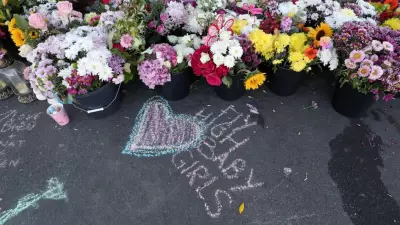
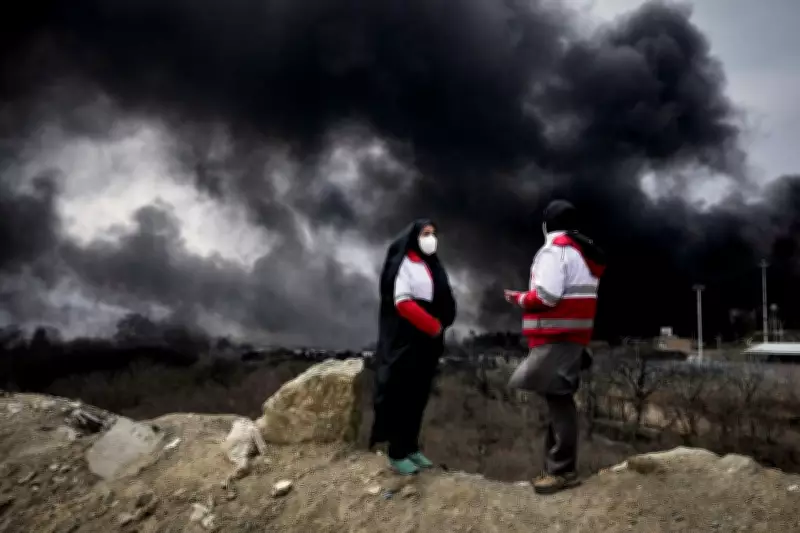
Military analysts note that this is not an isolated incident but part of a broader pattern emerging in the conflict. Previous reports have detailed strikes on oil facilities in Tehran, with thick plumes of smoke visible after attacks, and questions have been raised about responsibility for a deadly assault on a girls' school in Iran.
These developments suggest a strategic shift that incorporates civilian infrastructure as legitimate targets in the conflict, though such actions often violate international norms regarding the protection of non-military assets during warfare.
Humanitarian Concerns Mount
The expansion of targeting to include civilian infrastructure raises serious humanitarian questions. When water treatment plants, schools, and other essential facilities become battlegrounds, the civilian population bears the brunt of the consequences.
International observers have expressed concern that this escalation could lead to widespread suffering beyond direct combat zones, affecting basic needs like clean water, education, and energy access for ordinary citizens caught in the conflict.
Regional and Global Implications
The conflict's expansion to include Bahrain's infrastructure indicates how regional tensions are intensifying. As neighboring countries become involved either directly or through collateral damage, the potential for broader regional destabilization increases.
Global powers are monitoring these developments closely, as the targeting of civilian infrastructure represents a troubling precedent in modern warfare that could influence conflicts elsewhere. The international community faces growing pressure to address these escalations and protect civilian populations from the worst effects of the fighting.
As the war in Iran continues with no immediate signs of resolution, the widening of targets to include civilian infrastructure represents a dangerous new phase that threatens to deepen the humanitarian crisis and prolong the conflict's devastating impacts on ordinary people throughout the region.