Iran Announces Temporary Closure of Strategic Strait for Military Exercises
Iranian state television has announced that the vital Strait of Hormuz will be closed for several hours to conduct live-fire military drills. This temporary closure of one of the world's most critical maritime chokepoints comes amid ongoing regional tensions and follows a high-level meeting between Iranian and international officials.
Strategic Waterway to Experience Temporary Shutdown
The announcement specifies that the strait, through which approximately one-fifth of the world's oil passes daily, will be inaccessible to maritime traffic for a limited period while Iranian forces conduct live-fire exercises. These drills represent a demonstration of military capability in a region where geopolitical tensions have remained elevated for years.
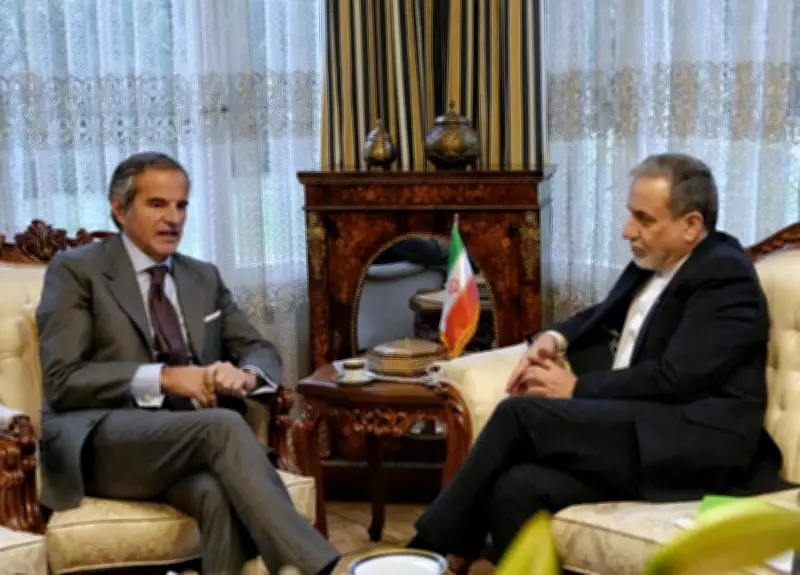
The timing of these exercises follows closely on the heels of diplomatic engagements, including a meeting between Iranian Foreign Minister Abbas Araghchi and International Atomic Energy Agency Director-General Rafael Grossi in Geneva, Switzerland. While the connection between these events remains unclear, the proximity suggests complex diplomatic and military calculations at play.

Regional Implications of the Closure
The temporary closure of the Strait of Hormuz carries significant implications for global energy markets and regional security dynamics. As a critical passageway for oil tankers traveling from the Persian Gulf to international markets, any disruption to traffic through this narrow waterway typically triggers immediate concerns about energy supply stability.
Military analysts note that such exercises serve multiple purposes, including:
- Demonstrating Iran's capacity to control access to the Persian Gulf
- Testing military readiness and coordination among different branches of Iran's armed forces
- Sending a strategic message to regional adversaries and international observers
- Validating new military equipment and tactics in realistic training scenarios
Historical Context and Current Tensions
Iran has periodically conducted military exercises in and around the Strait of Hormuz, often during periods of heightened tension with Western powers or regional rivals. The waterway has been a focal point of geopolitical friction for decades, with Iran repeatedly asserting its right to control access through what it considers its territorial waters.
The announcement of these live-fire drills comes as multiple international actors monitor Iran's military activities and nuclear program developments. The meeting between Iranian and IAEA officials just one day before the drills were announced suggests ongoing diplomatic efforts running parallel to military posturing.
Maritime authorities and shipping companies operating in the region are expected to adjust schedules and routes to accommodate the temporary closure, though the relatively brief duration of the exercises should minimize long-term disruption to global shipping patterns.