Iran Escalates Persian Gulf Conflict with New Attacks on Oil Infrastructure
Iran has intensified military operations across the Persian Gulf region, launching fresh drone and missile attacks that have disrupted critical oil shipments and directly contradicted U.S. President Donald Trump's assertions about potential ceasefire negotiations. The United Arab Emirates and Saudi Arabia reported overnight attacks extending into Monday, with significant consequences for global energy markets.
Oil Hub Disruption and Transportation Chaos
The UAE's crucial oil-export terminal at Fujairah was struck again on Monday, following a similar attack on Saturday that forced the suspension of shipments for approximately twenty-four hours. Dubai temporarily halted all flights at its primary international airport after a fire erupted at a fuel storage tank, which authorities attributed to an Iranian drone strike. Several Emirates airline departures were subsequently canceled due to the infrastructure damage.
The strategic Strait of Hormuz remains effectively closed to normal commercial traffic, creating what analysts describe as the most significant disruption to global energy supplies in decades. According to Morgan Stanley estimates, the current blockage has twice the impact of the 1956 Suez Crisis, with approximately one-fifth of the world's oil typically passing through this narrow waterway.

Contradictory Statements on Ceasefire Prospects
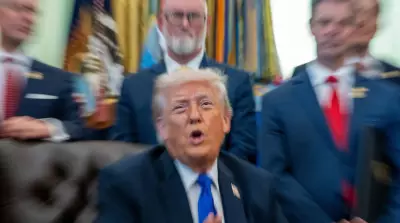
President Trump claimed over the weekend that Iran was seeking to negotiate an end to the conflict that began with U.S.-Israeli alliance bombing on February 28. "Iran wants to make a deal, and I don't want to make it because the terms aren't good enough yet," Trump stated, indicating he would require stronger commitments from Tehran regarding nuclear activities before considering negotiations.
However, Iranian Foreign Minister Abbas Araghchi categorically denied any interest in ceasefire talks with the United States. "The reason we say we do not want a ceasefire is not because we are seeking war, but because this time this war must end in such a way that our enemies never again think of repeating these attacks," Araghchi declared during a Monday media briefing. "I think they have already learned a good lesson and understood what kind of nation they are dealing with."
International Response and Market Reactions
Trump has called upon multiple world powers to assist in reopening the Strait of Hormuz by providing naval escorts for commercial vessels. His request specifically mentioned:
- France
- The United Kingdom
- Japan
- China
Thus far, none of these nations have committed to military involvement. Japan acknowledged through senior officials that escort operations face "high hurdles," while Australia explicitly ruled out sending warships. China's state-run Global Times characterized Trump's request as an attempt to spread the risk of "a war that Washington started and can't finish." Trump has threatened to postpone his planned summit with Chinese President Xi Jinping if Beijing refuses to contribute to securing the strategic waterway.
Financial markets reacted strongly to the escalating conflict:
- Brent crude oil prices climbed 0.5% to exceed $103 per barrel
- Dubai stock markets entered bear-market territory with a 21% decline from February highs
- U.S. gasoline prices continue to rise, increasing political pressure on the Trump administration
The conflict shows no signs of abating, with Israel conducting additional airstrikes on infrastructure in Tehran following missile barrages targeting the Jewish state. The situation represents a significant escalation in regional tensions with profound implications for global energy security and international diplomacy.