The Middle East conflict has intensified dramatically as Iran launched retaliatory strikes in response to a U.S. bombing of a strategically vital oil island. This escalation marks the third consecutive week of warfare, with regional stability hanging in the balance and global energy markets bracing for further disruption.
U.S. Attack Provokes Iranian Response
According to reports from The Associated Press, the United States military conducted a targeted bombing operation on an Iranian island that serves as a crucial hub for oil infrastructure. The assault, which occurred on March 14, 2026, prompted immediate condemnation from Iranian authorities, who characterized it as an act of aggression threatening national sovereignty.
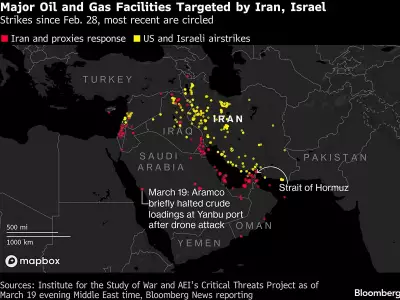
In a swift and forceful retaliation, Iranian forces executed counterstrikes aimed at U.S. assets and allied positions throughout the region. This tit-for-tat exchange has exacerbated the already volatile situation, raising fears of a broader regional conflagration that could draw in additional nations and destabilize international security frameworks.

Escalating Tensions and Global Implications
The conflict, now entering its third week, has witnessed a steady escalation in military engagements and diplomatic hostilities. The targeting of oil-critical infrastructure underscores the economic dimensions of the warfare, with potential ramifications for global energy supplies and prices. Analysts warn that prolonged hostilities could trigger supply chain disruptions and exacerbate inflationary pressures worldwide.
Furthermore, the involvement of major powers like the United States and Iran has heightened concerns about the conflict spilling over into neighboring countries, potentially igniting a wider war with catastrophic humanitarian consequences. The international community has called for urgent de-escalation and diplomatic dialogue to prevent further bloodshed and economic turmoil.
Humanitarian and Environmental Concerns
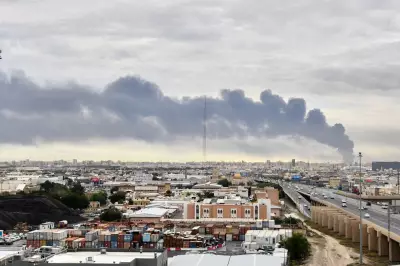
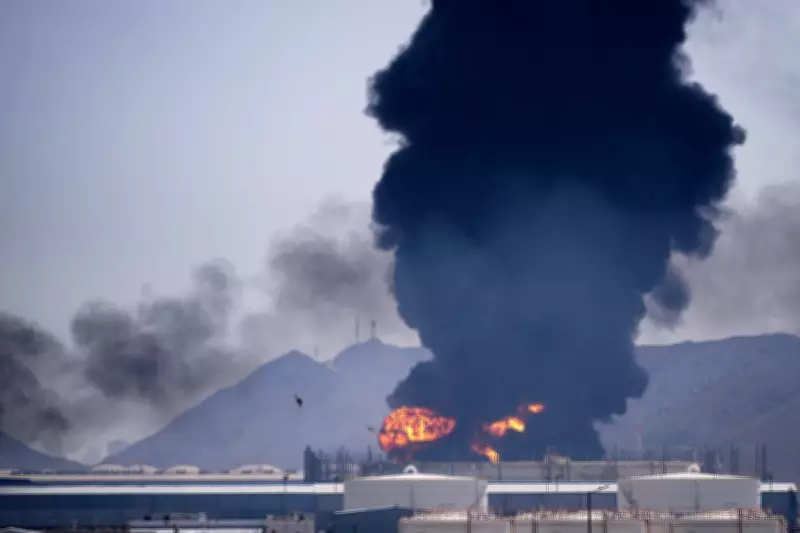
Beyond the immediate military confrontations, the conflict has raised alarming humanitarian and environmental issues. Civilian populations in affected areas face increasing risks of displacement, injury, and loss of life due to the intensifying combat operations. Additionally, attacks on oil facilities pose significant environmental hazards, including the risk of large-scale spills and air pollution that could have long-lasting ecological impacts.
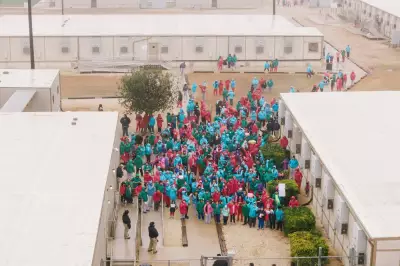
Humanitarian organizations are mobilizing to provide aid and support to those caught in the crossfire, but access remains challenging amid the ongoing hostilities. The situation underscores the urgent need for conflict resolution and peacebuilding efforts to address the root causes of the violence and foster sustainable stability in the region.