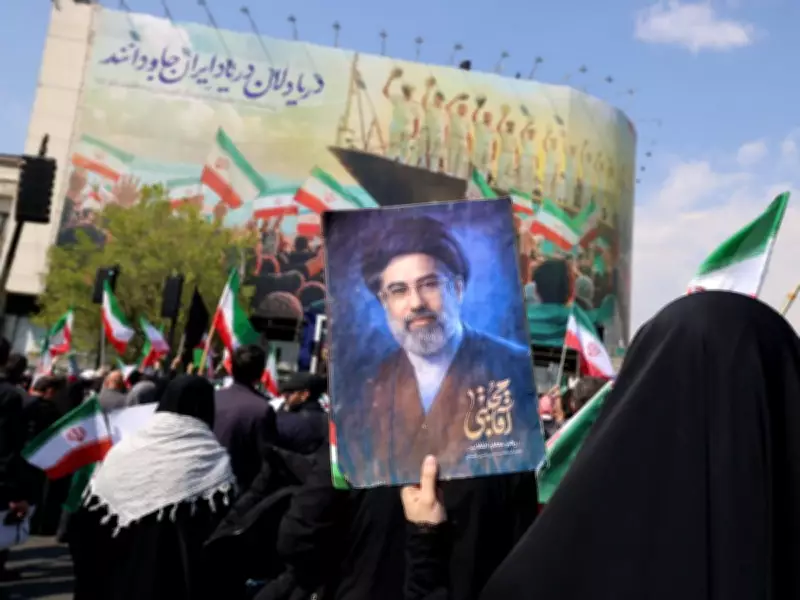
Iran's Regime Braces for Extended Military Confrontation
The Islamic Republic of Iran is preparing for what could become a prolonged military conflict, with regime leaders signaling they will only cease hostilities on their own terms. As tensions escalate between Tehran and its adversaries, Iranian officials have made clear they view the current situation as an existential threat requiring a determined response.
Regime Survival at Stake in Conflict Dynamics
Western officials observing the situation note that the core issue revolves around the regime's fundamental determination to survive what it perceives as external threats. "What is at play is pretty much the whole raison d'être of the regime, which is to survive and resist," explained one western official who requested anonymity. This perspective suggests that Tehran's calculations extend beyond immediate military considerations to encompass the very foundation of its political system.
The unnamed western official further emphasized that international attention has been overly focused on American decision-making while underestimating Iran's agency. "Everybody is fixated on the vacillations of Trump, but it's completely missing the fact there's a massive country with its own agency," the official stated, highlighting how external observers may be overlooking Tehran's independent strategic calculus.

Revolutionary Guard Corps Leads Determined Response
Spearheading Iran's military response is the Islamic Revolutionary Guard Corps, the 180,000-strong elite force that has demonstrated its capability to project power throughout the region. According to sources familiar with regime thinking, these ideologically motivated forces are prepared for extended conflict. "The guards are ideologically motivated, they are not scared to die," explained an Iranian source close to the regime. "They are convinced this was regime change and if they agree to a ceasefire [the U.S. and Israel] will come back."
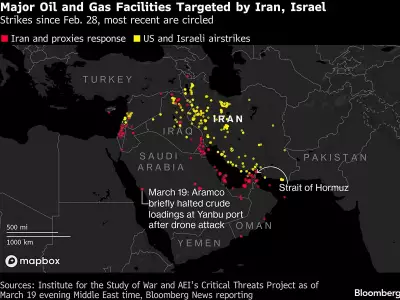
This perspective from within regime circles suggests that even if military pressure intensifies, Tehran's most committed forces may continue asymmetric operations. The Revolutionary Guard Corps has already demonstrated its ability to disrupt regional stability through missile and drone attacks on various targets, including U.S. military installations, Gulf infrastructure, and international shipping lanes.
Diplomatic Stalemate and Security Demands
Iranian officials have explicitly rejected suggestions that they seek negotiations or truce arrangements under current conditions. Foreign Minister Abbas Araghchi dismissed reports of diplomatic outreach as "delusional," specifically denying claims that communication channels with U.S. envoy Steve Witkoff had been reopened. Araghchi suggested such reports were primarily intended to calm nervous energy markets rather than reflect genuine diplomatic progress.
According to regional diplomats and experts, Tehran's fundamental demand centers on obtaining ironclad guarantees that the United States and Israel will not resume attacks in the future. "Iran says, 'we need a guarantee and won't retreat even if the war continues for one year,'" revealed an Iranian source with connections to the regime. This position reflects Tehran's assessment that without such security assurances, any ceasefire would merely provide adversaries with an opportunity to regroup and launch subsequent attacks.
Regional Implications and Future Scenarios
The potential for extended conflict carries significant implications for regional stability and global markets. Iranian sources warn of broader consequences should the confrontation intensify. "If Iran is destroyed, the whole region is destroyed," cautioned one regime-connected Iranian, highlighting how Tehran views its fate as inextricably linked to regional stability.
Regional officials report no meaningful movement toward diplomatic resolution from either side of the conflict. The recent killing of Ali Larijani, a conservative but pragmatic regime veteran, has further complicated prospects for negotiations. According to regional diplomatic assessments, Larijani would have been instrumental in any potential diplomatic process, and his death represents a significant setback for those hoping to establish communication channels between the conflicting parties.

As the situation continues to evolve, the fundamental dynamic appears to be one of mutual determination, with Iran's regime demonstrating its willingness to endure significant hardship rather than accept what it perceives as unfavorable terms. This positions the conflict as potentially extending well beyond initial expectations, with both military and diplomatic dimensions remaining fraught with uncertainty.