Iran has issued stark military warnings to the United States and Israel as nationwide protests demanding the end of Supreme Leader Ayatollah Ali Khamenei's rule intensify, entering a dangerous third week with a rising death toll.
Protests Escalate Into Direct Challenge to Regime
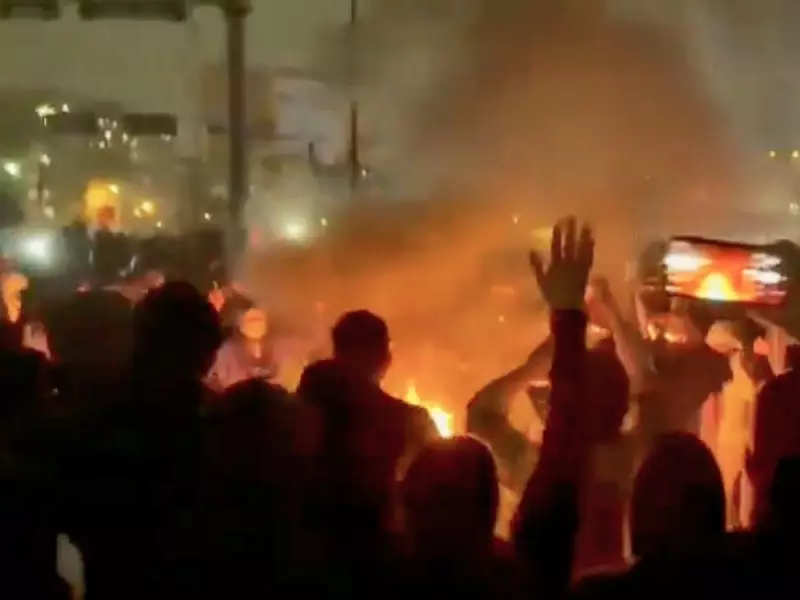
The unrest, which began on December 28, 2025, over economic grievances has evolved into a direct political challenge. By Saturday, January 10, 2026, demonstrations had intensified for a third consecutive night, with hundreds of thousands of Iranians, including many elderly, defying a severe crackdown and nationwide internet blackout. The protests were fueled by calls from Reza Pahlavi, the exiled son of Iran's former shah, for citizens to seize city centers and stage strikes.
According to the Oslo-based Iran Human Rights group, at least 192 protesters have been confirmed dead as of Sunday, January 11. The group reported that nine of those killed were under the age of 18. A separate tally from the U.S.-based Human Rights Activists News Agency placed the death toll at 116, noting most victims were killed by live ammunition or pellet gunfire.

Iran's Mixed Response: Conciliation and Threats
Facing unprecedented pressure, Iranian officials delivered a mixed message. President Masoud Pezeshkian struck a conciliatory tone in a state TV interview on Sunday, offering condolences to affected families. "Your protests must be heard, and we must address your concerns," he stated, promising to solve the problems without providing concrete details.
Simultaneously, Pezeshkian and other officials accused foreign powers of orchestrating violence. The president claimed the U.S. and Israel had brought in "terrorists from abroad" to set fires and commit atrocities. Parliament Speaker Mohammad Bagher Ghalibaf took a far harder line, issuing explicit military threats. He warned that U.S. military and shipping centers, as well as "occupied territories"—a clear reference to Israel—would be legitimate targets if America attacks.
Ghalibaf went further, stating Iran reserves the right to preemptive action. "Within the framework of legitimate self-defence, we do not limit ourselves to responding only after an attack," he declared in a televised address.
International Stakes Rise as U.S. Considers Options
The crisis has drawn intense international focus. Former U.S. President Donald Trump has repeatedly warned the Iranian regime against using force on demonstrators. A White House official confirmed that Trump was recently briefed on a range of options for military strikes against Iran, including non-military sites, and is seriously considering authorizing an attack.
Despite Tehran's bellicose rhetoric, Israel's security establishment reportedly views an immediate Iranian attack as unlikely. Israel's Army Radio cited defense officials on Sunday saying Iran's focus remains squarely on its internal turmoil. The Islamic Republic has sought to cut itself off from the world, maintaining severe telecommunications restrictions that have blocked calls and text messages since Thursday, January 8, in an attempt to quell the uprising.
The situation presents a critical juncture for the Middle East, as a regime facing its most significant domestic challenge in years simultaneously raises the specter of regional conflict through its threats against foreign adversaries.