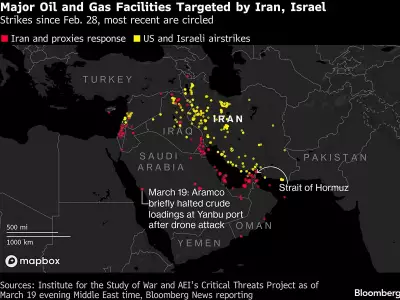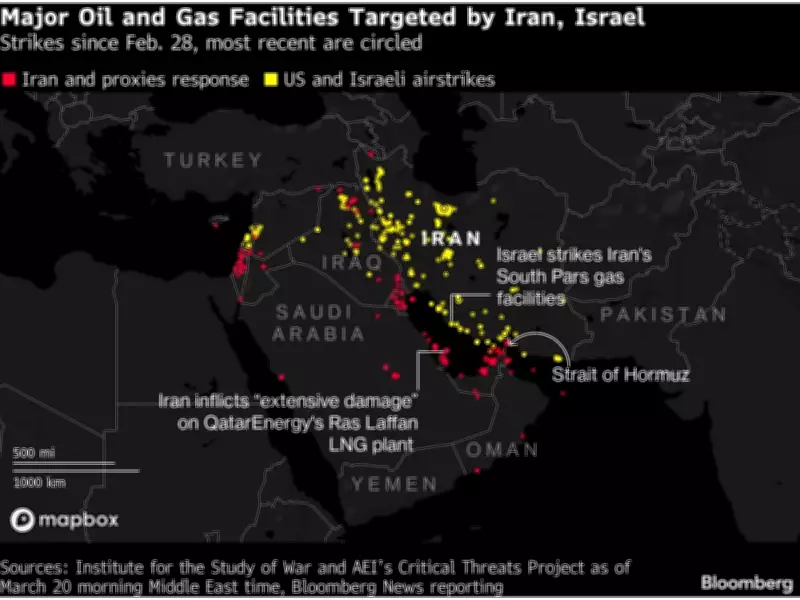
Iran has pressed forward with assaults on Gulf Arab nations, even after Israel indicated it would cease targeting the Islamic Republic's energy infrastructure. This ongoing aggression continues to unsettle global oil and financial markets, with hostilities showing no signs of abating as the conflict approaches its three-week milestone.
Regional Attacks and Interceptions
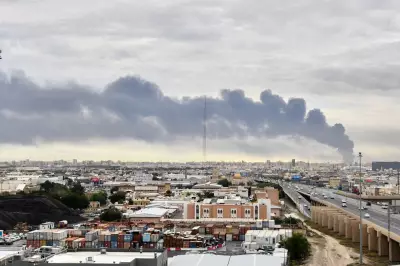
The United Arab Emirates and Saudi Arabia reported intercepting missiles and drones overnight into Friday, while Bahrain confirmed a fire at a warehouse. Kuwait was forced to shut several units at its Al Ahmadi refinery following multiple strikes, highlighting the widespread impact across the region.
Israel stated it struck infrastructure across Iran, including targets in the capital Tehran, demonstrating the escalating nature of the conflict. The war has already claimed more than 4,200 lives across the Middle East and brought shipping through the critical Strait of Hormuz to a near standstill.

Economic Consequences and Market Volatility
The Strait of Hormuz serves as a chokepoint for approximately one-fifth of global oil and liquefied natural gas flows. While Iran's attacks on energy sites have eased from their peak earlier this week, crude prices maintained their upward trajectory, closing on Thursday at the highest levels since mid-2022.
The economic fallout is spreading globally, with rising fuel, shipping, and household costs prompting central banks in Europe to pivot toward potential interest-rate hikes to combat expected inflation increases. This represents a reversal of previous cutting cycles and underscores the conflict's far-reaching economic implications.
Strategic Developments and Military Considerations
The United States is reportedly considering an operation to take control of Kharg Island, Iran's major oil-export facility, to pressure Tehran into reopening the Strait of Hormuz. While a decision remains pending, this potential escalation follows U.S. strikes on military sites at Kharg last weekend that deliberately avoided targeting oil infrastructure.
U.S. President Donald Trump has consistently stated that America has no plans to deploy ground troops into Iranian territory but has not completely ruled out the possibility. The Pentagon has requested an additional $200 billion from Congress to fund the war effort, suggesting preparations for a potentially protracted conflict despite Defense Secretary Pete Hegseth's assurances that the U.S. remains "on plan" with its military objectives.
Energy Infrastructure and Long-Term Damage
The risk of lasting damage to energy supplies remains significant, even if fighting were to end imminently. Qatar has revealed that nearly one-fifth of its liquefied natural gas production has been knocked offline for up to five years, with QatarEnergy estimating the attacks will cost approximately $20 billion annually in lost revenue.
Israeli Prime Minister Benjamin Netanyahu announced on Thursday that his forces would assist U.S. efforts to reopen the Strait of Hormuz and predicted the war would conclude sooner than some anticipate. These comments provided temporary market calm on a day when energy prices had once again spiked dramatically.
Military Exchanges and Regional Dynamics
Israel declared it would no longer target energy infrastructure following an attack on Iran's largest gas field on Wednesday, which prompted retaliatory strikes on similar assets and drew criticism from President Trump. This shift in strategy comes as the human and economic costs of the conflict continue to mount.
Iran claimed its air defenses "seriously damaged" a U.S. F-35 stealth fighter, with U.S. Central Command confirming one of the warplanes made an emergency landing while the pilot remained in stable condition. These developments highlight the increasingly direct military engagements between the involved parties.
The conflict that began with coordinated U.S. and Israeli operations against Iran on February 28 continues to evolve, with no clear resolution in sight as diplomatic efforts struggle to gain traction amid ongoing military exchanges and economic disruptions.