Iran Launches Missile Attacks on Israel and Gulf Neighbors as Israel Retaliates with Beirut Strike
In a dramatic escalation of hostilities in the Middle East, Iran has launched a series of missile attacks targeting Israel and its Gulf neighbors, while Israel responded with a military strike on Beirut. The conflict, which unfolded on March 18, 2026, has resulted in at least two fatalities and heightened fears of a broader regional war.
Details of the Attacks
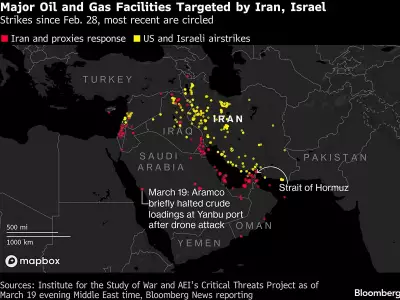
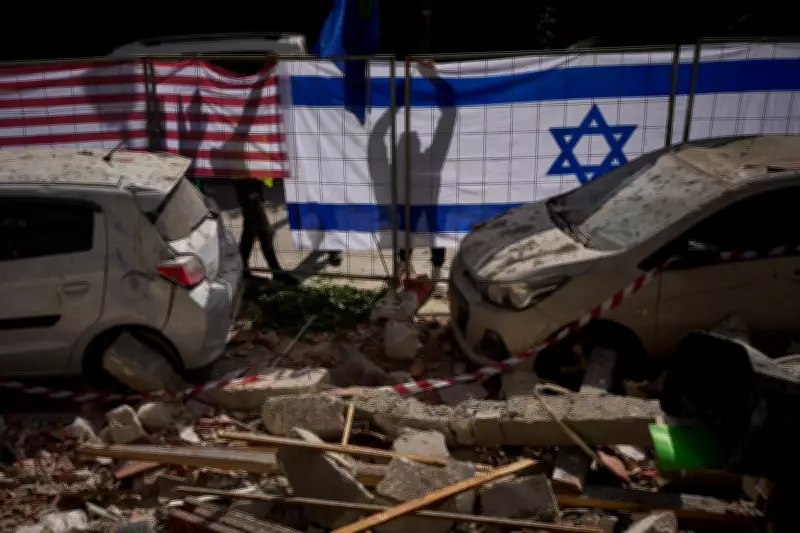
According to reports from The Associated Press, Iranian forces fired missiles that struck Ramat Gan in Israel, killing two individuals. Israeli authorities were seen hanging Israeli and U.S. flags at the attack site, symbolizing solidarity and defiance. Simultaneously, Iran targeted Gulf nations, though specific locations and casualties in those areas remain unclear as investigations continue.
In retaliation, Israeli military forces conducted a strike on Beirut, Lebanon, marking a significant expansion of the conflict beyond direct Iran-Israel engagements. The Israeli action is believed to be aimed at Iranian-backed militias or infrastructure in the region, though official statements from Israel have not yet detailed the precise targets or outcomes.

Regional and International Reactions
The attacks have sent shockwaves across the Middle East, with neighboring countries on high alert for potential spillover effects. Gulf states, already wary of Iranian aggression, are likely to bolster their defenses and seek international support. The involvement of Beirut adds a layer of complexity, given Lebanon's fragile political landscape and historical ties to Iranian proxies like Hezbollah.
International observers are closely monitoring the situation, with concerns that this escalation could derail diplomatic efforts and lead to a protracted conflict. The United States, a key ally of Israel, has not issued an immediate statement, but past incidents suggest it may play a mediating role or provide military assistance if tensions worsen.
Background and Implications
This conflict stems from long-standing animosities between Iran and Israel, often fueled by geopolitical rivalries, nuclear ambitions, and proxy wars in the region. Recent months have seen increased skirmishes, but the scale of these attacks represents a notable intensification. Analysts warn that if left unchecked, it could trigger a chain reaction involving other actors, such as Saudi Arabia or Turkey, further destabilizing the area.
The human cost is already evident, with the deaths in Ramat Gan underscoring the vulnerability of civilian populations. As both sides assess damages and plan next steps, the risk of miscalculation or further retaliation looms large, making de-escalation efforts critical in the coming days.
This report is based on information from The Associated Press and other news sources, with updates expected as more details emerge.