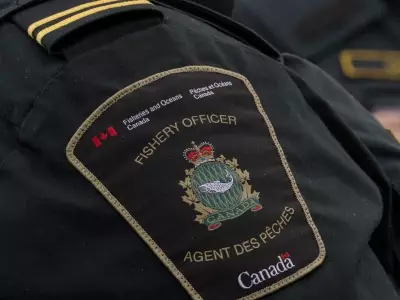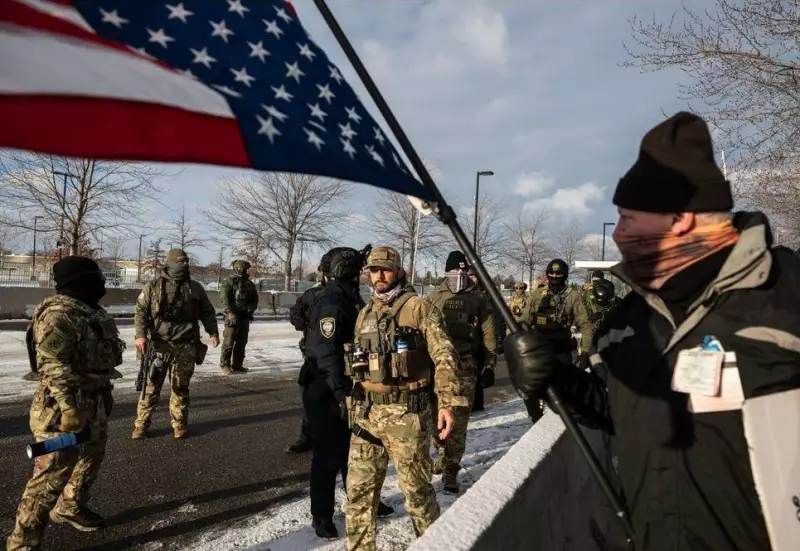
Homeland Security Secretary Kristi Noem has announced a significant escalation in federal law enforcement presence in Minneapolis, stating that hundreds more federal officers are being deployed to the city. This move comes in direct response to escalating tensions and widespread protests following the fatal shooting of a woman by a U.S. Immigration and Customs Enforcement (ICE) officer earlier this month.
Escalation Follows Fatal Shooting and Protests
The decision to bolster federal forces stems from the January 7, 2026, shooting death of Renée Nicole Good. The incident occurred during what has been described as a tense confrontation involving an ICE officer. The shooting ignited immediate public outrage, culminating in a large protest on Saturday, January 10, where thousands of demonstrators marched to the site of the fatal encounter.
In an interview on Fox News' Sunday Morning Futures, Noem confirmed the ongoing deployment. "We're sending more officers today and tomorrow," she stated. "They'll arrive — there'll be hundreds more, in order to allow our ICE and our Border Patrol individuals that are working in Minneapolis to do so safely." The secretary framed the additional personnel as a necessary measure to protect federal agents operating in a volatile environment.

A Nation Divided Over Justification
The shooting of Good has sparked a fierce national debate, sharply dividing political leaders and law enforcement experts. The Trump administration, along with supporters of the involved ICE agent, contends the officer acted in self-defence, arguing that Good's vehicle moved forward threateningly. Secretary Noem has publicly stated the agent followed his training.
Conversely, a coalition of critics—including Minnesota officials, independent law-enforcement analysts, and civil rights advocates—dispute this narrative. They point to video footage and witness accounts that, in their view, fail to show an imminent threat to the officer's life, leading them to label the shooting as unjustified. This fundamental disagreement over the facts has fueled the ongoing strife.
Noem issued a stern warning to those protesting federal operations, aligning with statements from other senior administration officials. "If they impede our operations, that's a crime and we will hold them accountable to those consequences," she asserted on Fox News.
Calls for De-escalation Amid Rising Tensions
As the situation remains fraught, some officials have called for a reduction in inflammatory rhetoric. On NBC's Meet the Press, Minneapolis Mayor Jacob Frey acknowledged his role, saying, "Of course I bear responsibility to bring down the temperature." However, he sharply criticized the federal government's approach, arguing, "the way that these institutions are being utilized right now by the Trump administration is wrong, and to be clear, is unconstitutional."
Secretary Noem, while defending the officer's actions on CNN's State of the Union, also suggested that local leaders in Minnesota should help calm the situation, stating Good's death shows "why we need our leaders to turn down their rhetoric."
The protests have taken creative and disruptive forms. On the evening of Friday, January 9, hundreds of activists participated in a "No Sleep for ICE" campaign, gathering outside a downtown Minneapolis hotel believed to be housing federal agents. Demonstrators used musical instruments, air horns, and chants to create noise throughout the night, symbolizing their sustained opposition to ICE's presence in the community.
The deployment of hundreds of additional federal officers marks a critical juncture, testing the balance between public safety, lawful protest, and federal authority in a city already grappling with profound tragedy and division.