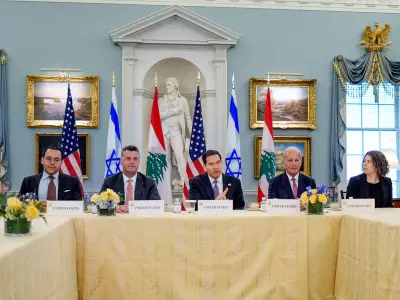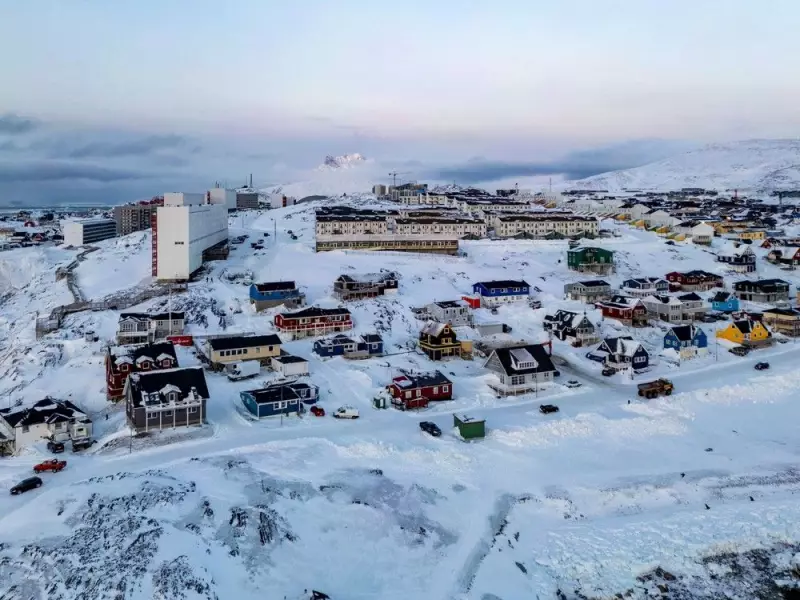
High-level diplomatic talks concerning the future of Greenland and Arctic security are set to take place at the White House on Wednesday, involving U.S. Vice-President JD Vance and officials from Denmark and Greenland. The meeting follows years of tension, including past statements from former President Donald Trump about acquiring the vast Arctic territory.
A Meeting Requested, A Host Steps In
Danish Foreign Minister Lars Lokke Rasmussen revealed on Tuesday that he and Greenlandic Foreign Minister Vivian Motzfeldt had initially requested a meeting with U.S. Secretary of State Marco Rubio. However, Vice-President JD Vance offered to participate and host the discussions at the White House instead. This elevates the diplomatic profile of the encounter, which aims to clarify "misunderstandings" between the allies.
Background of Tension and Accusations
The relationship has been strained since early 2025, when Trump reiterated his interest in Greenland. In March of that year, Vance announced an uninvited visit to the island, ultimately limiting it to the U.S. Pituffik military base in northwestern Greenland. During that brief stay, Vance criticized Denmark as a "bad ally," accusing it of neglecting Greenland and security in the Arctic.

These remarks provoked anger in Copenhagen, a nation that has consistently supported trans-Atlantic initiatives and contributed troops to U.S.-led conflicts in Iraq and Afghanistan. Swedish Prime Minister Ulf Kristersson recently underscored this, stating the U.S. should thank Denmark for being a "very loyal ally."
Core Issues on the Table
The high-stakes talks are expected to focus on several key areas of contention:
- Greenland's defence and the broader military posture in the Arctic.
- Concerns from Washington about Chinese and Russian influence in the region, which it claims Copenhagen has not adequately addressed.
- The nuanced political relationship between Greenland and Denmark, which together with the Faroe Islands form the Kingdom of Denmark.
Denmark firmly rejects the U.S. criticism of its Arctic commitment, recently highlighting an investment of nearly 90 billion kroner (approximately US$14 billion) to strengthen its military presence in the Far North.
Greenland specialist Mikaela Engell noted that ongoing talks about Greenland's autonomy within the Kingdom have sometimes been misinterpreted. "To the uninformed American listener, the ongoing talks... might have been construed as if Greenland’s secession from Denmark was imminent," she told AFP. She stressed that such discussions are a long-standing process and do not signal an imminent breakup.
The meeting on January 13, 2026, represents a crucial opportunity for dialogue amid heightened geopolitical interest in the Arctic's resources and strategic position. All parties will be seeking to recalibrate a relationship vital to North American and European security architecture.