Exclusive: Hanwha's Strategic Push for Canada's Submarine Contract
In a high-stakes move to bolster its global defense portfolio, South Korean industrial giant Hanwha is aggressively pitching its capabilities to win Canada's lucrative submarine procurement contract. The deal, valued in the multi-billions, represents a critical opportunity for Canada to modernize its naval fleet amid growing Arctic security concerns.
The KSS-III Submarine: A Centerpiece of the Proposal
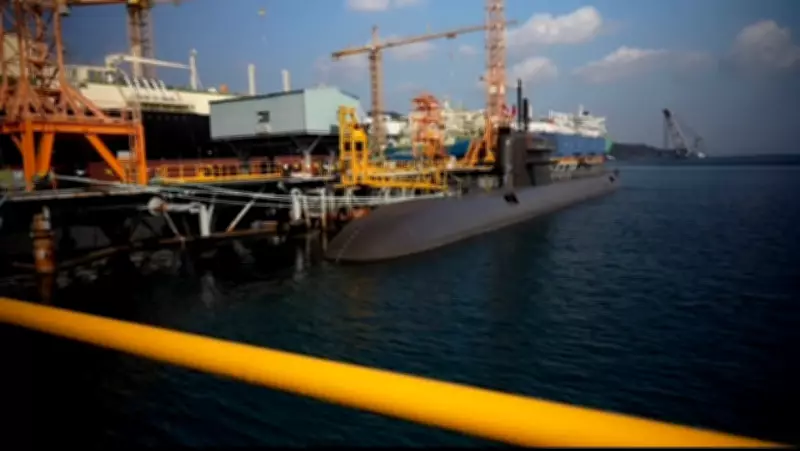
At the heart of Hanwha's bid is the newly constructed KSS-III submarine, a formidable vessel docked at the company's shipyard in Geoje, South Korea. This advanced submarine model features cutting-edge technology designed for extended underwater operations and enhanced stealth capabilities. Industry analysts suggest that the KSS-III's specifications align closely with Canada's stated requirements for Arctic patrol and sovereignty enforcement.
Hanwha's presentation to Canadian defense officials reportedly emphasizes the submarine's operational readiness and proven performance in challenging maritime environments. The company has highlighted its extensive experience in naval construction and its commitment to technology transfer, which could benefit Canada's domestic shipbuilding industry.

Geopolitical and Economic Implications
The submarine procurement process occurs against a backdrop of shifting global alliances and heightened competition in the defense sector. Canada's decision will have significant implications for its strategic partnerships and industrial policy. A contract award to Hanwha would mark a deepening of defense ties between Canada and South Korea, potentially counterbalancing traditional suppliers from Europe and the United States.
From an economic perspective, the submarine program promises substantial job creation and technological spillover effects. Hanwha has indicated willingness to establish local production facilities and training programs, addressing Canada's dual objectives of military modernization and industrial development.
Competitive Landscape and Decision Timeline
Hanwha faces stiff competition from established defense contractors worldwide, each offering distinct advantages in technology, cost, and political alignment. The Canadian government's evaluation process is expected to consider multiple factors beyond technical specifications, including:
- Lifecycle costs and maintenance requirements
- Compatibility with existing naval infrastructure
- Cybersecurity and data protection measures
- Environmental impact and sustainability features
Defense experts anticipate a decision timeline extending through 2026, with contract negotiations potentially concluding by early 2027. The outcome will significantly influence Canada's naval capabilities for decades to come, particularly in the increasingly contested Arctic region where submarine operations play a crucial role in sovereignty assertion and surveillance.
As the procurement process advances, stakeholders will closely monitor how Hanwha's proposal addresses Canada's specific operational needs while delivering value for taxpayers. The company's success may hinge on its ability to demonstrate not just superior technology, but also a comprehensive partnership approach that supports Canada's broader defense and economic objectives.