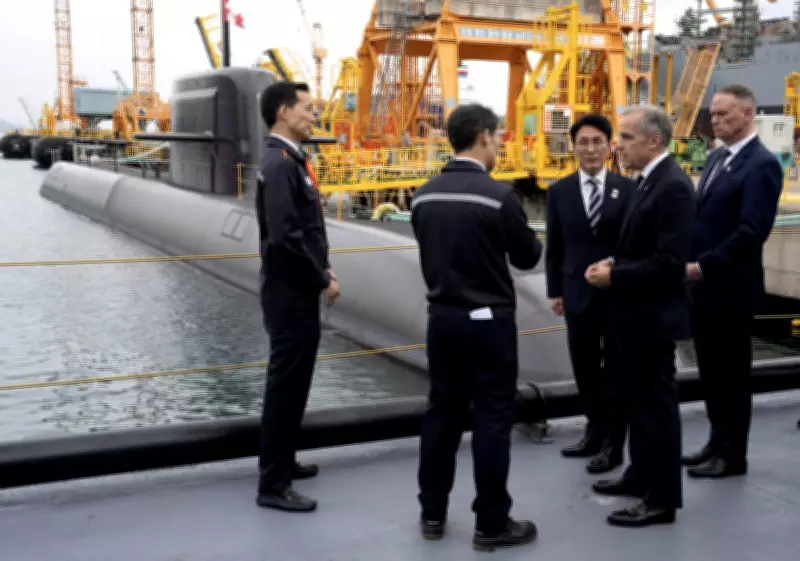
Germany and South Korea's Submarine Bids: Beyond Auto Plants
In a high-stakes competition for a major Canadian submarine contract, Germany and South Korea are presenting detailed bids that go far beyond the initial expectations of new auto plants. While automotive manufacturing was once a focal point in such international deals, both nations are now emphasizing a broader array of industrial and technological benefits to secure the lucrative defense agreement.
Strategic Offers from Germany
Germany's proposal includes significant technology transfers, aiming to enhance Canada's domestic defense capabilities. This involves sharing advanced submarine engineering expertise, which could bolster local shipbuilding industries and create skilled jobs. Additionally, Germany is offering training programs for Canadian personnel, ensuring operational proficiency and long-term maintenance support. The bid also highlights environmental sustainability, with commitments to green technologies in submarine design, aligning with global climate goals.
South Korea's Comprehensive Package
South Korea, leveraging its robust shipbuilding sector, is proposing a comprehensive package that includes job creation in maritime and defense sectors. Their bid features partnerships with Canadian firms for component manufacturing, fostering economic growth and innovation. South Korea is also emphasizing cybersecurity enhancements and digital integration in submarine systems, addressing modern defense needs. Furthermore, they offer research and development collaborations with Canadian universities, promoting academic and industrial synergy.

Comparative Analysis
Both bids avoid the traditional auto plant incentives, instead focusing on:
- Technology and knowledge transfer to build domestic capacity.
- Employment opportunities in high-tech and defense industries.
- Environmental and sustainability initiatives in defense projects.
- Long-term partnerships that extend beyond the initial contract.
This shift reflects a global trend in defense procurement, where value is placed on holistic benefits rather than singular industrial projects. The Canadian government is evaluating these offers based on economic impact, strategic alignment, and technological advancement.
Implications for Canada
The outcome of this bidding process could significantly influence Canada's defense infrastructure and industrial landscape. By choosing a partner that offers extensive technology sharing and job creation, Canada aims to strengthen its sovereignty and economic resilience. The decision is expected to be announced in the coming months, with both Germany and South Korea actively lobbying for the contract through diplomatic channels.
As the competition intensifies, stakeholders are closely monitoring developments, recognizing the potential for transformative effects on Canada's naval capabilities and international partnerships. The emphasis on innovation and sustainability in these bids underscores a forward-looking approach to defense procurement in an increasingly complex global environment.