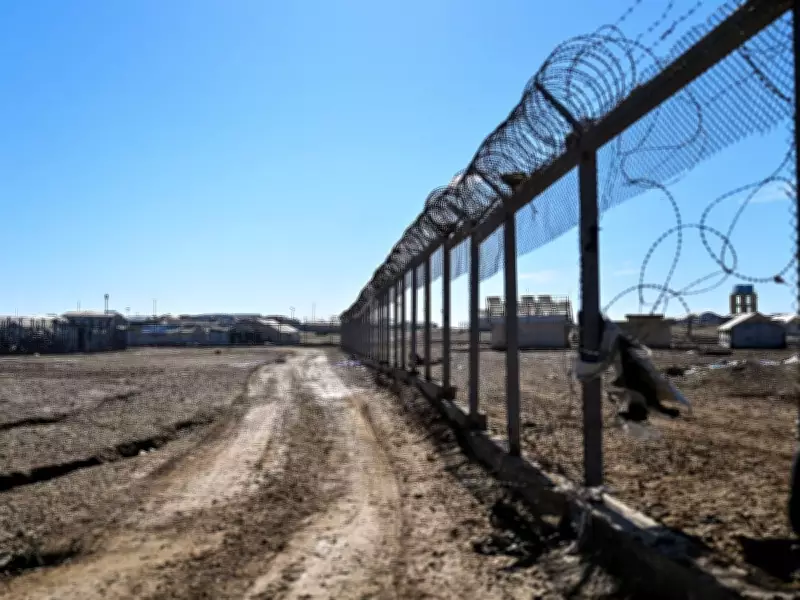
Escaped ISIS Fighters from Syrian Prisons Present Direct Security Threat to Canada
The rapid geopolitical shifts in northeastern Syria have created a dangerous security vacuum, resulting in the escape of hardened Islamic State (ISIS) fighters from detention facilities previously secured by the Kurdish-led Syrian Democratic Forces (SDF). This development, occurring amid a fragile ceasefire agreement, poses a serious and immediate threat to international security, with Canada facing particular risks due to its decade-long involvement in counter-terrorism efforts in the region.
Chaotic Transition and Security Breaches
Earlier this month, Syrian transitional forces under President Ahmed al-Sharaa launched a swift offensive into SDF-held territory, capturing strategic sites across northeast Syria. The offensive culminated in a January 18 ceasefire agreement that transferred control of these areas—including detention facilities, oil fields, and border crossings—to Damascus authorities.
During this transition, significant security breaches occurred at multiple detention sites. These prisons, long described as "incubators of radicalization," are now under new management without a publicly articulated, verifiable plan for preventing further releases or ensuring long-term containment. The chaotic nature of the transition and the fact that prisoners have already escaped raises serious concerns about immediate security threats and the long-term viability of ISIS detention centres in Syria.

An Unsustainable System with Global Implications
The detention system in northeastern Syria held thousands of ISIS fighters from more than 60 countries and has long been recognized by Canada's allies and counter-terrorism experts as unsustainable and a continuing source of radicalization. The Kurdish-led SDF lacked the resources to maintain these facilities indefinitely, and international calls for countries to repatriate and prosecute their citizens went largely unheeded.
This left the Kurds to bear an open-ended burden that drained their military capacity and created the ever-present risk of mass breakouts. This vulnerability was starkly demonstrated by the 2022 Ghwayran prison uprising, a coordinated ISIS attack that left hundreds dead, resulted in mass escapes, and demonstrated how quickly detention facilities can be compromised.
Direct Challenges to Canadian Security Architecture
This new development raises immediate security concerns as it creates the prospect of renewed ISIS networking, recruitment, and operational planning, as well as increased attempts at cross-border movement. The system's chaotic transfer to Damascus authorities—without verifiable security protocols or international monitoring—further compounds these risks, with direct implications for Canada's security interests, threat assessments, and counter-terrorism investments.
Canada has a real stake in the ISIS threat environment. Over the past decade, Ottawa has contributed military, intelligence, and financial resources to the international campaign against ISIS. Canadian security agencies estimate that at least 200 individuals with connections to Canada travelled overseas to support terrorist organizations between 2013 and 2020.
The breakdown of these detention centers represents a direct challenge to the counter-terrorism architecture that Canada has spent more than a decade helping to build. Without proper containment and monitoring of these dangerous individuals, the security gains made through international cooperation could be significantly undermined, putting Canadian citizens and interests at increased risk both domestically and abroad.