The Cuban government has publicly released detailed information regarding the deaths of thirty-two of its military officers, fatalities that occurred during a controversial United States military operation in Caracas, Venezuela. The incident, which took place on January 4, 2026, resulted in the capture of Venezuelan President Nicolas Maduro by U.S. forces.
A Solemn Tribute and Official Details
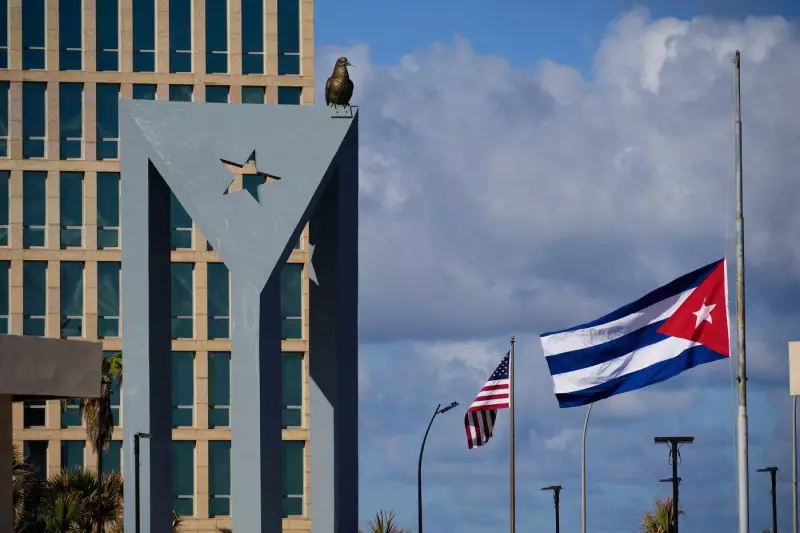
In Havana, the Cuban flag was seen flying at half-mast on Monday, January 5, 2026, at the Anti-Imperialist Tribune near the U.S. embassy. This act was a public gesture of mourning for the Cubans who lost their lives in the distant capital of Venezuela. The release of the officers' names and details by the Cuban state media represents a formal accounting of the human cost from Havana's perspective.
The U.S. government has defended the military action, stating it was a targeted operation to detain the Venezuelan leader. According to briefings given to American lawmakers by Trump administration officials, Maduro and his wife, Cilia Flores, sustained head injuries as they attempted to flee from the approaching U.S. forces during the raid in Caracas.

International Repercussions and Canadian Context
The event has sent shockwaves through international diplomatic circles and has specific implications for Canada. Former Bank of England and Bank of Canada governor Mark Carney commented on the situation, suggesting that the ouster of Maduro could make Canadian oil more competitive on the global stage. This analysis ties the geopolitical event directly to Canadian economic interests in the energy sector.
Furthermore, the incident has ignited domestic political debate within Canada. Conservative Party Leader Pierre Poilievre's supportive stance on the U.S.-led raid has drawn criticism from some commentators. They argue that cheering on an extra-judicial military action by a foreign power undermines Canada's commitment to the international rule of law and established diplomatic norms.
A Deepening Crisis with Multiple Fronts
The strike in Caracas and its aftermath mark a significant and dangerous escalation in long-standing tensions between the United States and the left-wing governments of both Venezuela and Cuba. The high number of Cuban casualties indicates a potentially deeper level of involvement by Cuban personnel in the security apparatus surrounding Maduro than was previously publicly acknowledged.
The fallout from this operation is likely to continue, affecting:
- Diplomatic relations between Washington, Havana, and other nations in the region.
- Global oil markets, with analysts like Carney predicting shifts in competitiveness.
- Political discourse in allied nations like Canada, where the ethics of such interventions are being debated.
As Cuba mourns its dead and the United States justifies its actions, the international community watches closely. The event sets a precedent for unilateral military intervention and raises profound questions about sovereignty, international law, and the future of political conflict in the Western Hemisphere.