Cuba Charges Six with Terrorism Following Fatal U.S. Speedboat Shootout
Cuban authorities have formally charged six individuals with terrorism in connection with a violent incident involving a U.S.-registered speedboat near the island's coastline. This development follows a deadly exchange of fire that resulted in four fatalities and six injuries, as confirmed by Cuba's coast guard on February 25, 2026.
Details of the Incident
The confrontation occurred when Cuban coast guard vessels intercepted the speedboat in waters close to Cuba's shores. According to official statements, the coast guard engaged in an exchange of fire with the occupants of the boat, leading to the tragic outcomes. The incident has been described as occurring amid heightened diplomatic tensions between Cuba and the United States, adding a layer of complexity to the ongoing bilateral relations.
The charges of terrorism against the six individuals underscore the severity with which Cuban authorities are treating the event. While specific details about the accused or their alleged motives have not been fully disclosed, the move signals a firm stance by Cuba in addressing what it perceives as a threat to its national security.

Context and Implications
This shootout and subsequent charges come at a time of strained relations between Havana and Washington. Historical disputes over maritime boundaries, immigration policies, and political ideologies have often fueled such tensions. The use of a U.S.-registered vessel in this incident is likely to further complicate discussions between the two nations, potentially impacting future diplomatic engagements.
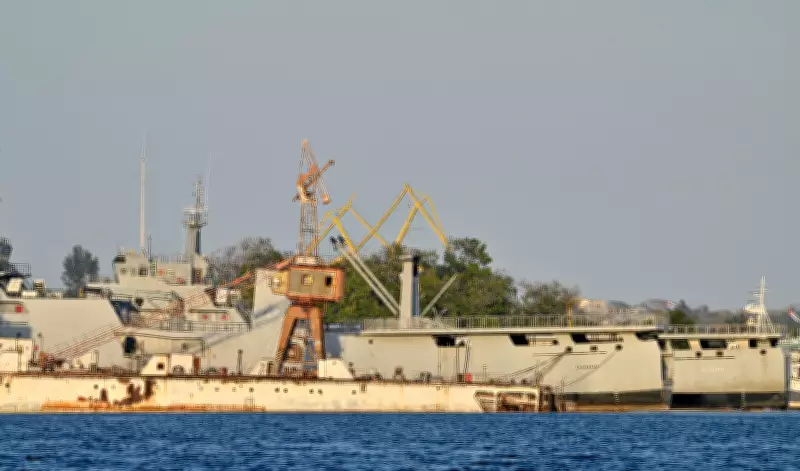
Cuban coast guard ships were observed docked at the port of Havana around the time of the incident, highlighting the operational readiness of Cuba's maritime security forces. The coast guard's swift response and the decision to press terrorism charges reflect a broader strategy to deter similar activities in Cuban waters.
International Reactions and Next Steps
As news of the charges spreads, international observers are closely monitoring the situation. The involvement of a U.S.-registered speedboat raises questions about cross-border security and the potential for escalated conflicts. Cuban officials have not yet commented on whether the charges will lead to extradition requests or further legal actions involving U.S. authorities.
The aftermath of this event may influence regional stability, particularly in the Caribbean, where maritime incidents have historically triggered diplomatic fallout. Ongoing investigations by Cuban authorities are expected to provide more insights into the circumstances surrounding the shootout and the basis for the terrorism allegations.