Top U.S. Counterterrorism Official Steps Down in Protest Over Iran Conflict
In a significant development that has sent shockwaves through Washington's national security establishment, Joe Kent, the Director of the U.S. National Counterterrorism Center, has resigned from his position. His departure comes as a direct protest against the ongoing war with Iran, with Kent asserting that intelligence assessments did not indicate any imminent threat from Tehran prior to the conflict's escalation.
Dispute Over Intelligence Assessments
Kent's resignation letter, obtained by multiple sources, explicitly challenges the administration's justification for military engagement. According to the former counterterrorism chief, comprehensive intelligence reviews conducted by his agency and others within the intelligence community failed to identify credible evidence that Iran posed an immediate danger to U.S. interests or allies. This contradicts public statements from senior administration officials who have repeatedly cited imminent threats as rationale for the military campaign.
The National Counterterrorism Center, which Kent led since his appointment in 2024, serves as the primary organization in the United States government for integrating and analyzing all intelligence pertaining to terrorism and counterterrorism. His dissent from the official narrative represents a rare public breach within the intelligence community's leadership ranks during an active military conflict.

Political and Security Implications
The resignation has ignited fierce debate in political circles, with lawmakers from both parties demanding greater transparency about the intelligence that precipitated the war. Congressional committees have already announced plans to call Kent to testify about his assessment of the pre-war intelligence picture.
- Kent's tenure included overseeing counterterrorism operations against multiple extremist groups
- He previously served in congressional counterterrorism roles before his appointment
- The resignation comes as the Iran conflict enters its most intense phase yet
National security experts note that such a high-profile resignation from a key intelligence position during wartime is unprecedented in recent decades. The move raises fundamental questions about the intelligence foundation underlying the administration's Iran policy and could potentially influence both domestic political support for the conflict and international perceptions of U.S. decision-making.
Broader Context of the Iran Conflict
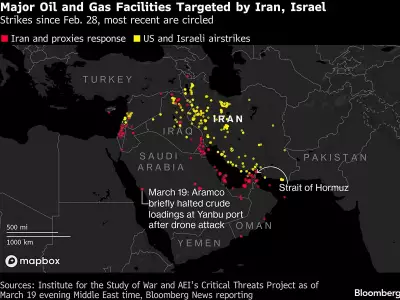
The war with Iran has already produced significant global consequences beyond the immediate security implications. Energy markets have experienced substantial volatility, with gasoline prices surging worldwide as the conflict disrupts shipping routes and threatens oil supplies from the region. This economic impact has been felt particularly acutely in North America, where rising fuel costs coincide with the beginning of the summer driving season.
Internationally, the conflict has strained diplomatic relations and prompted concerns from allied nations about regional stability. Several countries have called for renewed diplomatic efforts to de-escalate tensions, while others have expressed support for the U.S. military campaign against what they describe as Iranian aggression.
The White House has acknowledged Kent's resignation but has declined to comment specifically on his assessment of pre-war intelligence. Administration officials maintain that the decision to engage militarily was based on what they characterize as "compelling and urgent" intelligence about Iranian intentions and capabilities.